

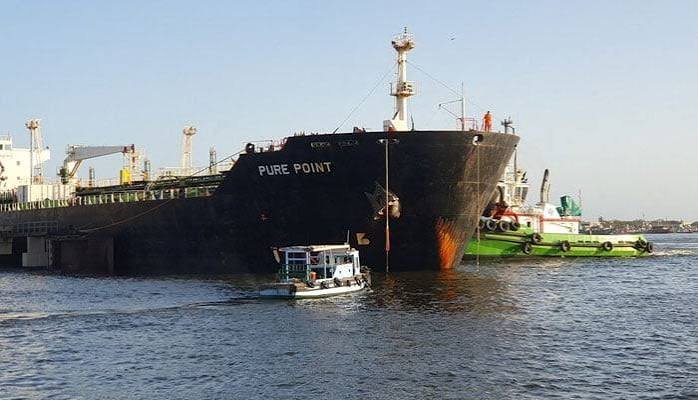
ISLAMABAD: Pakistan is preparing to open its petroleum storage sector to foreign oil suppliers under a proposed customs-bonded framework designed to strengthen energy security, improve fuel availability and position the country as a regional energy trading hub.
The Petroleum Division has submitted the Policy Guideline on Import on Foreign Suppliers’ Account through Customs Bonded Storage Facilities–2026 to the Economic Coordination Committee (ECC) for approval.
Under the proposed framework, international oil suppliers would be allowed to import petroleum products into customs-bonded storage facilities in Pakistan without immediately paying duties and taxes. Suppliers would have the option to sell fuel in the domestic market or re-export it depending on commercial conditions.
The proposed policy covers crude oil, motor spirit (petrol), high-speed diesel, jet fuel, fuel oil, liquefied petroleum gas (LPG) and liquefied natural gas (LNG).
Policy Aims to Strengthen Energy Security
According to the proposal, bonded storage facilities could be established at Port Qasim, Karachi Port, Hub, Gwadar, Mahmood Kot and Machike Sheikhupura, subject to regulatory approvals.
The framework would allow foreign suppliers to maintain petroleum inventories inside Pakistan under customs supervision while delaying duty and tax payments until products are released for domestic consumption.
Officials say the model could improve supply resilience by increasing the volume of petroleum stocks physically available within the country, reducing reliance on the timely arrival of imported cargoes during periods of international supply disruptions.
Foreign Suppliers to Gain Storage and Re-Export Flexibility
The proposed policy would permit international suppliers to operate through registered liaison offices, local branches or incorporated companies acting as consignees. They would be able to develop dedicated storage facilities or use licensed public and private bonded terminals.
The framework also allows bonded petroleum products to move through Pakistan’s national pipeline network and between approved storage facilities, ports, refineries and export terminals without triggering duties while remaining under customs bond.
The proposal further provides foreign suppliers with the flexibility to re-export petroleum products from Pakistan, allowing them to serve both domestic and regional markets while benefiting from tax-neutral bonded storage arrangements.
If approved by the ECC, the policy is expected to enhance Pakistan’s attractiveness for international oil suppliers and energy traders while supporting long-term fuel supply stability and investment in the country’s petroleum infrastructure.