

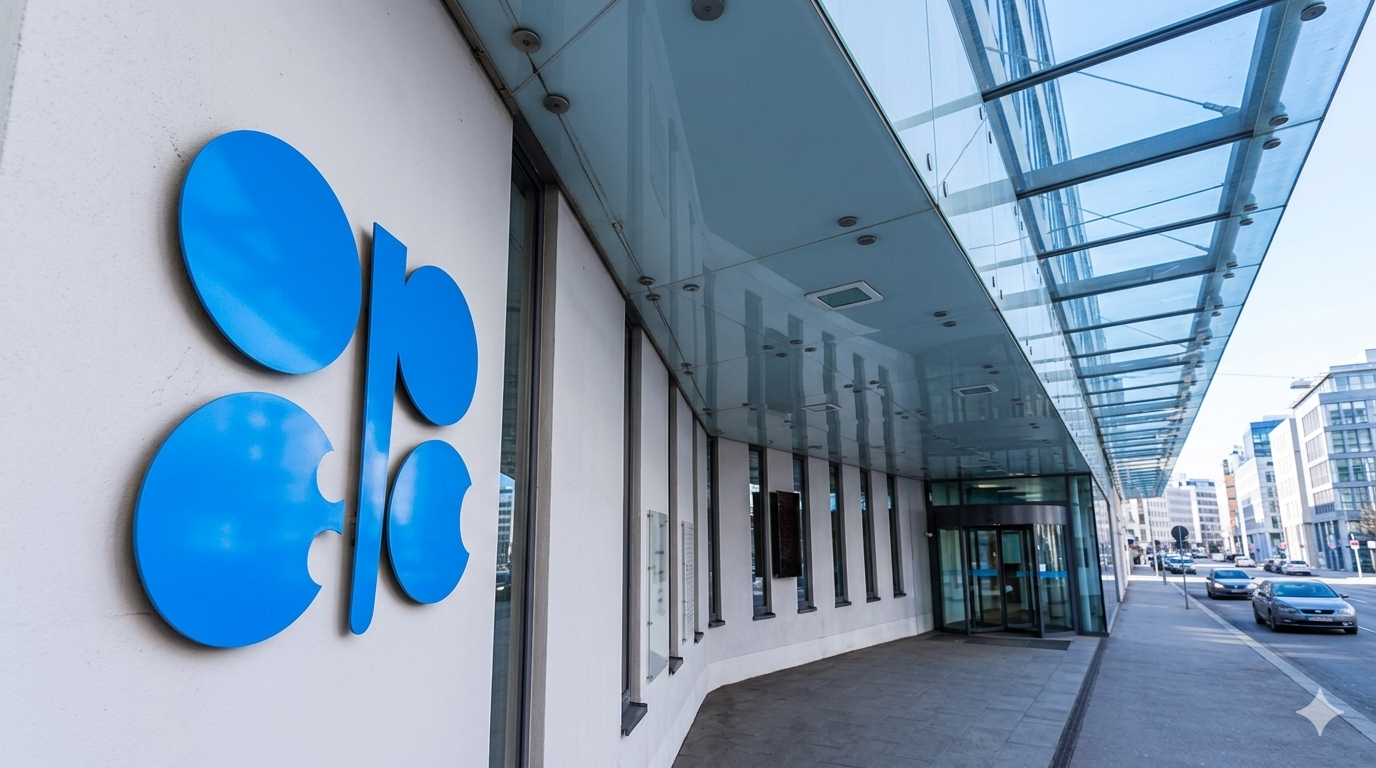
Seven members of the Opec+ alliance are set to meet on Sunday to decide on oil production quotas, marking their first policy move since the United Arab Emirates formally exited the group.
The UAE, one of the world’s leading oil producers, withdrew from both Opec and the broader Opec+ alliance after long-standing disagreements over production limits, with its exit taking effect this week. The development has intensified pressure on global oil markets already strained by the ongoing Middle East conflict.
The meeting, to be held online, will include Algeria, Iraq, Kazakhstan, Kuwait, Oman, Russia and Saudi Arabia. Observers are closely watching the outcome, particularly the tone of the group’s statement, as neither Opec nor Opec+ has publicly responded to the UAE’s departure.
Market expectations suggest the group will increase output quotas by around 188,000 barrels per day, broadly in line with previous monthly hikes after adjusting for the UAE’s share.
However, analysts caution that any quota increase may have limited real impact, as actual production remains significantly below agreed limits due to war-related disruptions. Opec+ output stood well under its collective quota in recent months, largely because of supply constraints rather than voluntary cuts.
Exports from key Gulf producers have been severely affected by the blockade of the Strait of Hormuz, imposed by Iran in response to the ongoing conflict, restricting the flow of crude from major producers including Iraq, Kuwait and Saudi Arabia.
The UAE’s departure is seen as a significant shift for the alliance, given its status as a major producer with substantial untapped capacity. Its exit also raises concerns about the cohesion of the group, with analysts warning that other members facing quota disputes could reconsider their positions.
Despite elevated oil prices, production challenges persist for several members, including Russia, as geopolitical tensions continue to disrupt supply chains and output levels.