

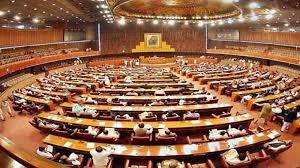
ISLAMABAD: National Assembly of Pakistan on Tuesday introduced Pakistan’s first artificial intelligence-enabled parliamentary system, in a move aimed at modernising legislative operations and accelerating the transition towards a fully paperless parliament.
Speaking during the soft launch ceremony in Islamabad, Sardar Ayaz Sadiq described the initiative as a significant institutional reform designed to improve efficiency, transparency and legislative support through digital integration.
The speaker said the adoption of AI-driven systems had become essential in the modern governance environment, noting that reliance on digital platforms was already reducing delays associated with physical documentation and manual procedures.
“Modern technology improves institutional performance,” Ayaz Sadiq said, adding that lawmakers had shown growing interest in the use of advanced technology during parliamentary proceedings.
Under the initiative, the National Assembly is gradually shifting towards a fully paperless operational model. Budget documents and legislative records, traditionally distributed in printed form, will increasingly be managed and accessed through digital systems.
Officials said the AI-enabled framework is expected to assist lawmakers in legislative drafting, parliamentary research, documentation management and procedural affairs, while also improving access to records and streamlining workflow inside the lower house.
Ayaz Sadiq praised the role of the Ministry of Information Technology and Telecommunication and the National Information Technology Board for supporting the digital transformation initiative and helping modernise state institutions.
The speaker also announced the allocation of funds for the establishment of a modern data centre within the National Assembly to strengthen digital infrastructure and support future technological expansion.
As part of the transition, staff members of the assembly’s IT directorate are receiving specialised technical training through the Ministry of IT and NITB to enhance operational capacity and system management.
Ayaz Sadiq described the holding of parliamentary proceedings in a paperless environment earlier this week as a “historic development,” saying it reflected the legislature’s commitment to adopting modern governance tools and improving institutional efficiency.