

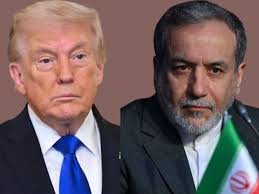
Iran has reportedly put forward a new diplomatic proposal through Pakistani and other regional mediators aimed at reopening the Strait of Hormuz and moving toward ending the ongoing conflict, while postponing nuclear negotiations to a later stage, according to a report by Axios citing US officials and sources familiar with the matter.
The report said the initiative was discussed through mediators in Pakistan, Oman, Egypt, Turkey and Qatar, where Iranian Foreign Minister Abbas Araqchi held a series of meetings over the weekend before travelling to Russia. The proposal reflects continued gaps between Tehran and Washington over nuclear enrichment, sanctions relief, and regional security arrangements.
According to Axios, the Iranian side suggested prioritising the restoration of maritime access through the Strait of Hormuz and addressing blockade-related concerns before engaging in broader negotiations on the nuclear issue. The framework also envisions either extending the current ceasefire or transitioning it into a permanent end to hostilities.
The White House has reportedly received the proposal but has not indicated whether it will engage with it. A US spokesperson, Olivia Wales, told Axios that Washington would not negotiate through the media and reiterated President Donald Trump’s position that Iran must not be allowed to develop a nuclear weapon.
US President Donald Trump, speaking on Fox News, said Iran could initiate contact through secure channels if it sought negotiations, adding that the conditions for any agreement were already clear to Washington.
Disagreements between the two sides remain wide-ranging, extending beyond Iran’s nuclear programme to include Tehran’s regional alliances and missile capabilities, as well as US demands for restrictions on Iran’s support to groups such as Hezbollah and Hamas. Iran, meanwhile, continues to seek sanctions relief and an end to Israeli military actions against its regional partners.
The Strait of Hormuz remains a critical point of leverage, with the waterway historically carrying around one-fifth of global oil shipments, making its status central to both economic and security concerns amid the ongoing conflict.