

New developments continue to unfold following the US-Iran ceasefire, with regional security, economic measures, and political reactions shaping the fragile pause in hostilities.
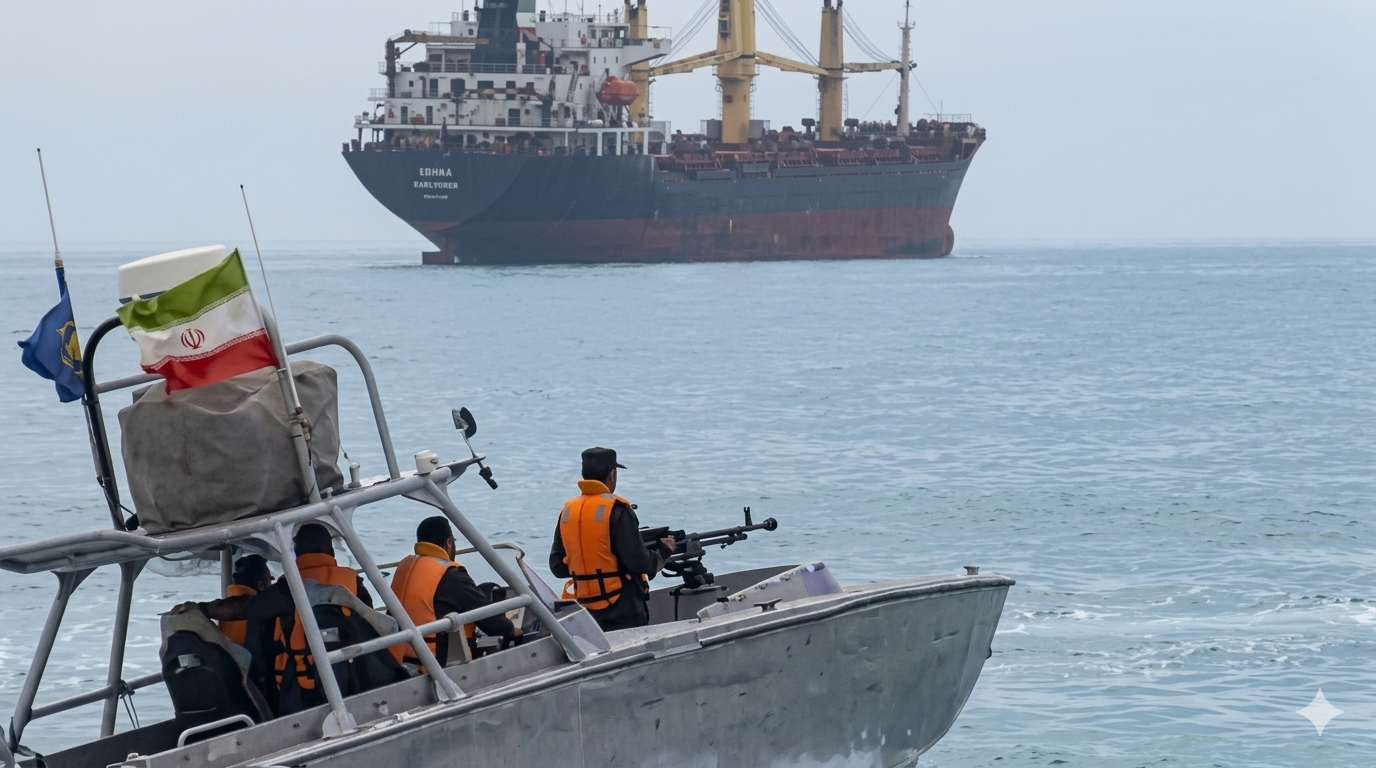
Iran and Oman are expected to impose transit fees on vessels passing through the strategic Strait of Hormuz, according to a report citing Associated Press. A regional official involved in the negotiations said Iran plans to use the revenue for post-war reconstruction, while Oman’s purpose for the fees remains unclear. Both countries share territorial control over the key global oil transit route.
On the security front, the Iran-backed coalition known as the Islamic Resistance in Iraq announced a two-week suspension of its military operations across Iraq and the wider region, aligning with the ceasefire timeline agreed between Tehran and Washington.
US President Donald Trump claimed the truce represented a “total and complete victory” for the United States, suggesting that China played a role in persuading Iran to enter negotiations. He also expressed confidence that Iran’s nuclear materials would be effectively managed under the emerging framework.
The White House echoed that stance, with Press Secretary Karoline Leavitt describing the ceasefire as a strategic success enabled by US military pressure, which created leverage for diplomatic engagement.
However, domestic opposition in the United States remains sharp. Congresswoman Alexandria Ocasio-Cortez renewed calls to impeach Trump, arguing that the temporary ceasefire does not address broader concerns over his handling of the crisis.
International reaction to the ceasefire has been largely positive. Egypt welcomed the development as a critical opportunity for diplomacy and emphasized the importance of maintaining freedom of navigation and regional stability. Similarly, Australian Prime Minister Anthony Albanese expressed support for the truce, highlighting its potential to pave the way for a longer-term resolution.
Meanwhile, scenes from Tehran showed crowds gathering in the streets following the ceasefire announcement, reflecting a mix of relief and nationalist sentiment as the country enters a temporary halt in hostilities.
As diplomatic efforts gain momentum, the coming days, including anticipated talks in Pakistan, are expected to be crucial in determining whether the ceasefire can transition into a lasting peace agreement.