

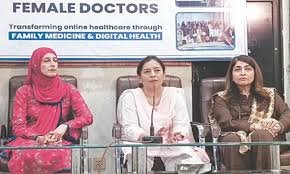
Thousands of female doctors in Pakistan are returning to medical practice through telemedicine platforms after previously leaving the profession due to family responsibilities and workplace constraints, highlighting both gender disparities and growing pressure on the country’s healthcare system.
In Karachi, physician Dr Saniya Jafri now conducts online consultations from home while caring for her children, using a digital health platform that connects doctors with patients across the country. She is among a growing number of women who re-entered the workforce through telemedicine after stepping away from clinical practice following marriage or childbirth.
Jafri, who previously worked in cardiology, said she left full-time hospital work due to long hours and family commitments. She now balances domestic responsibilities with remote consultations, describing the arrangement as a way to continue practising medicine while staying with her children.
The initiative facilitating this shift, Sehat Kahani, has enabled thousands of mostly female doctors to resume work remotely by linking them to patients in underserved communities through digital clinics supported by on-site nurses. According to the platform’s co-founder, around 7,500 doctors have rejoined medical practice through the system.
Despite women forming a majority in medical school admissions in Pakistan, a significant proportion either never enter clinical practice or leave after marriage. Medical associations and surveys suggest more than one-third of female medical graduates do not remain in the workforce, citing lack of childcare support, long working hours, harassment concerns, and limited institutional flexibility.
Healthcare experts say the trend has contributed to Pakistan’s widening shortage of doctors, particularly affecting rural and low-income areas where access to care is already limited. The country has around 370,000 registered doctors, but an estimated 70,000 women remain inactive in medical practice.
Medical professionals argue that societal expectations also play a major role, with many women facing pressure to prioritise household responsibilities after marriage, despite years of professional training and government-funded education.
Experts involved in digital health initiatives say telemedicine is helping bridge this gap by offering flexible work arrangements that allow women to continue practising while managing family responsibilities. However, they stress that long-term participation depends on broader cultural and institutional support, including family backing and workplace reform.
Healthcare providers also note that remote consultation systems are improving access for patients in underserved areas, where cost and distance often limit medical care. Clinics using telemedicine models report increased accessibility for low-income families, particularly in urban slums and rural districts.
While digital platforms are offering a pathway back into medicine for many women, experts warn that structural barriers within traditional healthcare systems continue to limit full participation, leaving gender disparity in Pakistan’s medical workforce an ongoing challenge.