

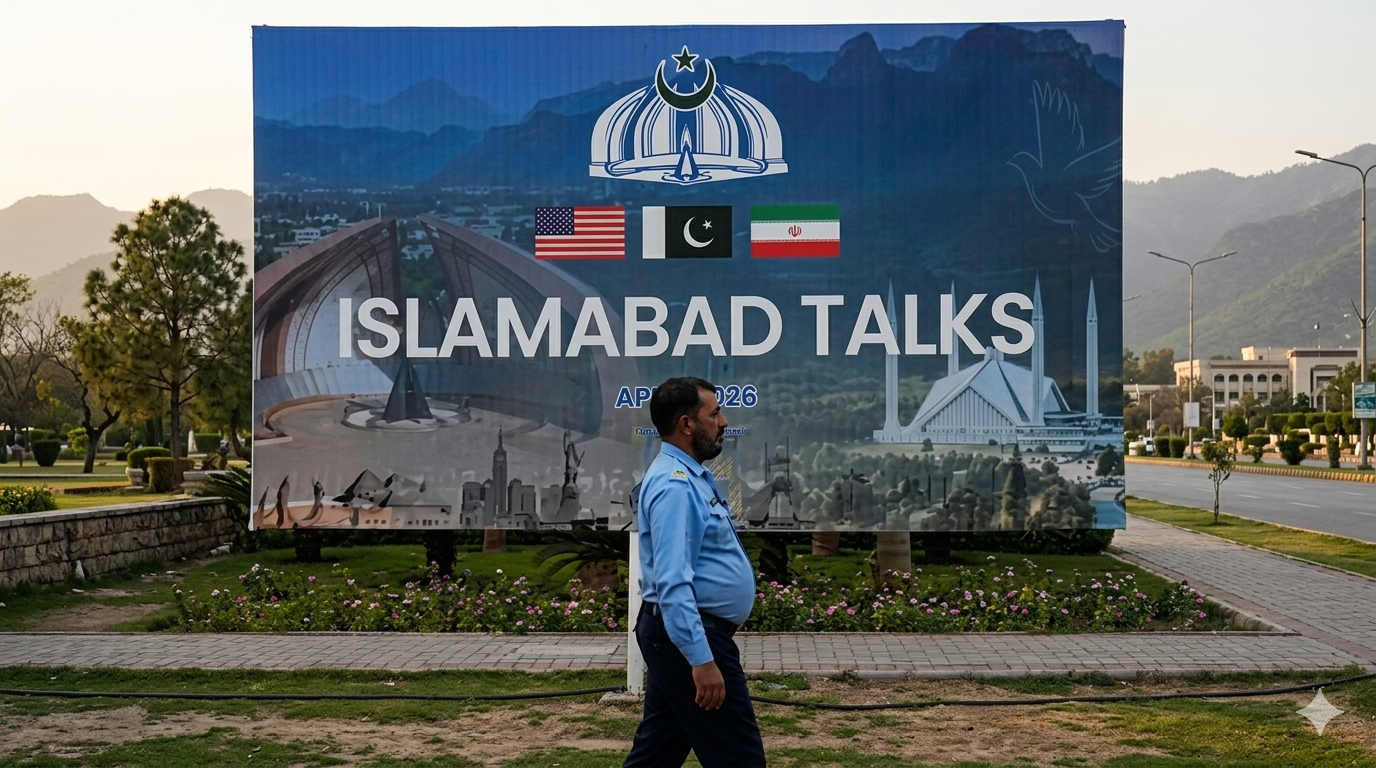
Pakistan has moved beyond a limited facilitation role to take on a more active position in mediating between the United States and Iran following the escalation of conflict earlier this year.
For much of the past year, Islamabad functioned as a discreet communication channel between Washington and Tehran. However, after the outbreak of full-scale hostilities in February, Pakistan began hosting delegations and publicly positioning itself as a mediator.
Prime Minister Shehbaz Sharif said on March 24 that Pakistan would “facilitate” dialogue, a stance later reinforced by Deputy Prime Minister and Foreign Minister Ishaq Dar, who confirmed the country would host and support talks.
On April 12, Dar said Pakistan had helped mediate “several rounds of intense and constructive negotiations,” alongside Chief of Army Staff Asim Munir, signaling a shift toward a more direct diplomatic role.
Pakistan’s efforts have drawn international recognition, including from United Nations officials and global powers, although analysts caution that achieving lasting outcomes will require sustained and structured engagement.
Diplomatic observers cite Pakistan’s geographic position and its ties with both the US and Iran as key factors enabling its role. Former foreign secretary Jalil Abbas Jilani noted Pakistan’s past involvement in facilitating negotiations, while other experts highlighted its historical role in regional mediation efforts.
However, analysts stress that effective mediation depends on neutrality, credibility and leverage. Former diplomat Maleeha Lodhi said trust from both sides is essential, particularly in conflicts marked by unequal power dynamics.
Experts also point to challenges in managing negotiations in a modern context, where real-time communication with capitals can influence positions during talks. While Islamabad can provide a controlled venue, its ability to shape outcomes remains limited.
The current diplomatic effort comes amid broader discussions on conflict resolution frameworks, including principles outlined in the United Nations Charter.
Pakistan, which has historically facilitated dialogue in international conflicts, is now seeking to play a more prominent role. Observers say the success of its mediation will depend on maintaining balanced engagement and establishing a structured process capable of addressing key issues such as sanctions, nuclear concerns and regional security.