

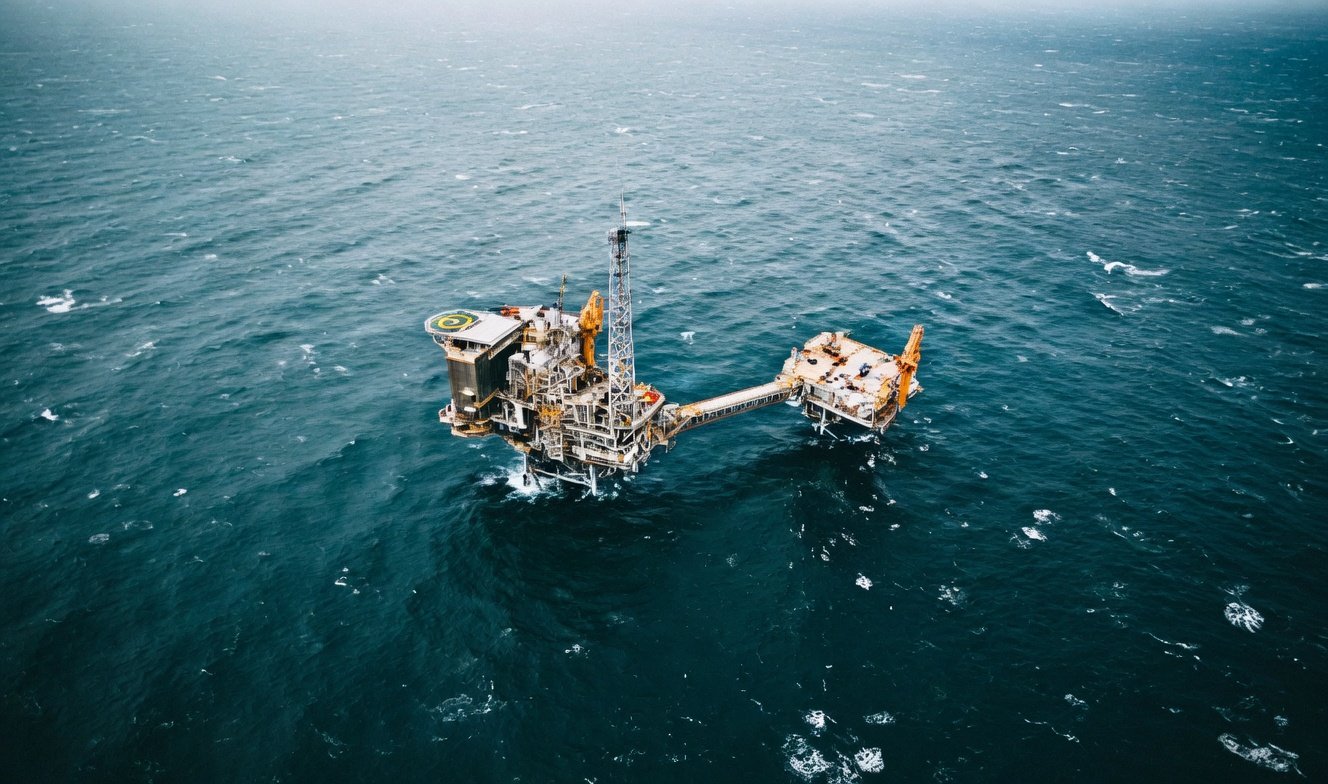
The Donald Trump administration has renewed a temporary waiver allowing countries to purchase sanctioned Russian oil transported by sea, extending the arrangement for approximately one month despite political criticism from US lawmakers.
The waiver, issued by the US Department of the Treasury, permits transactions involving Russian oil and petroleum products loaded on vessels up to May 16. It replaces a previous 30-day waiver that expired earlier this month and excludes transactions involving Iran, Cuba, and North Korea.
A Treasury Department spokesperson said the decision was intended to help ensure adequate global oil supply as negotiations with Iran continue, noting efforts to maintain market stability amid rising energy demand.
The move follows earlier comments by US Treasury Secretary Scott Bessent, who had indicated that no extension would be granted for Russian or Iranian oil waivers. However, officials later reversed course amid continued pressure to stabilize global energy prices.
Oil markets have experienced significant volatility in recent weeks, driven in part by disruptions linked to regional conflict in the Middle East and fluctuating supply routes through key shipping corridors.
US officials said several partner countries raised concerns about energy shortages during recent international financial meetings, including discussions involving major oil-importing nations such as India.
The waiver on Iranian oil had previously allowed millions of barrels to enter global markets, temporarily easing supply constraints, according to US officials.
However, the policy shift has drawn criticism from lawmakers across party lines, who argue that easing sanctions could weaken pressure on both Russia and Iran amid ongoing geopolitical tensions involving Ukraine and Middle Eastern conflicts.
European officials have also maintained that sanctions on Russia should remain in place, warning against any premature relaxation of economic restrictions.
Russian envoy Kirill Dmitriev said the extension could impact additional volumes of Russian oil exports, though he noted political opposition to the move in Washington.
Energy analysts say continued waivers reflect growing challenges in balancing sanctions policy with global energy stability, as disruptions to supply chains persist.
The situation remains fluid, with further decisions on sanctions waivers expected in the coming weeks as global energy markets respond to ongoing geopolitical developments.