

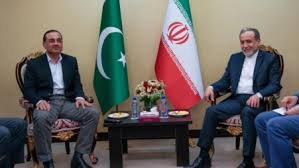
The White House has said that the United States is exploring a second round of peace talks with Iran in Islamabad and remains optimistic about reaching a possible agreement. At the same time, Pakistan’s civilian and military leadership has intensified diplomatic engagement across the region, reflecting growing efforts to sustain fragile ceasefire momentum.
According to officials, Chief of Defence Forces Field Marshal Asim Munir led a high-level delegation to Tehran, while Prime Minister Shehbaz Sharif began a four-day visit to Saudi Arabia, Qatar, and Türkiye aimed at strengthening both economic ties and diplomatic coordination on regional issues.
Field Marshal Munir’s visit comes at a sensitive stage in the Iran–US dialogue process, just days ahead of the expiry of a 15-day truce. Sources said he carried messages linked to Washington’s broader diplomatic efforts, including developments related to ceasefire discussions in Lebanon. Iranian officials were reportedly assessing these proposals while awaiting further signals from Israel and the United States.
Iran’s Foreign Minister Abbas Araghchi welcomed the Pakistani delegation, thanking Islamabad for hosting earlier talks and describing the engagement as part of strong bilateral relations and shared regional stability goals. Iranian officials confirmed that discussions in Tehran focused on continuing the dialogue process initiated in Islamabad.
Meanwhile, Pakistan’s delegation included Interior Minister Mohsin Naqvi and senior officials from foreign affairs and security institutions, while National Security Adviser and ISI Director General Lt Gen Asim Malik participated separately in the consultations.
Iranian Foreign Ministry spokesperson Esmail Baghaei confirmed that views exchanged in Islamabad and through US contacts via Pakistan had been conveyed and discussed further in Tehran. Officials described the process as part of ongoing efforts to maintain the fragile ceasefire and prepare for additional rounds of negotiations.
US President Donald Trump said the conflict was “close to over” and indicated optimism about further talks, while suggesting Islamabad could again host the next round. He also hinted at reopening strategic shipping routes such as the Strait of Hormuz, seen as critical for stabilising global energy flows.
Parallel diplomatic activity has also expanded, with renewed contacts between Iran and the United Arab Emirates and tentative progress on a Lebanon ceasefire adding to cautious optimism among mediators.
During his regional tour, Prime Minister Shehbaz Sharif met Saudi Crown Prince Mohammed bin Salman in Riyadh, where he briefed him on the Islamabad talks and Pakistan’s mediation role. Saudi Arabia, which recently extended a $3 billion deposit facility for Pakistan, has reportedly appreciated Islamabad’s diplomatic efforts.
The Prime Minister is also scheduled to visit Qatar and Türkiye, where he will attend the Antalya Diplomacy Forum and hold meetings with President Recep Tayyip Erdoğan and other leaders to discuss regional security and economic cooperation.
The White House, meanwhile, praised Pakistan’s role as a key intermediary in the process. Press Secretary Karoline Leavitt described Pakistan as an “incredible mediator,” noting that Washington views Islamabad as a central channel for communication with Tehran and expects future talks to continue there.
Officials from all sides say the evolving diplomatic track remains fragile but active, with Pakistan positioned at the centre of ongoing efforts to prevent further escalation and support a negotiated settlement.