

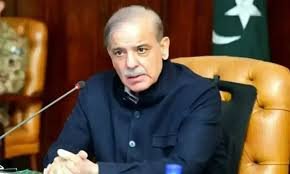
Prime Minister Shehbaz Sharif on Monday expressed gratitude to the foreign ministers of Saudi Arabia, Turkiye, and Egypt following a quadrilateral meeting in Islamabad focused on the escalating Middle East crisis, reiterating Pakistan’s commitment to promoting regional peace and stability.
The meeting, chaired by Deputy Prime Minister and Foreign Minister Ishaq Dar, brought together top diplomats from Pakistan, Saudi Arabia, Turkiye, and Egypt as part of coordinated efforts to de-escalate tensions between the United States and Iran, which have intensified over the past month amid ongoing military exchanges and concerns over global energy security.
In statements shared on social media, the Prime Minister welcomed Saudi Foreign Minister Prince Faisal bin Farhan, acknowledging Saudi Arabia’s “restraint” and highlighting its leadership role in the Muslim world. He stressed the importance of unity among Muslim countries and reaffirmed “unwavering solidarity” with the Kingdom.
Separately, PM Shehbaz hosted Turkish Foreign Minister Hakan Fidan and Egyptian Foreign Minister Dr Badr Abdelatty, emphasizing the need for collective diplomatic efforts to halt hostilities that have resulted in significant loss of life and economic disruption across the region.
Pakistan’s leadership reiterated its willingness to play a facilitative role in encouraging dialogue between Iran and the United States. According to official statements, Islamabad has expressed readiness to host and support negotiations aimed at achieving a “comprehensive and lasting settlement” of the conflict.
The Foreign Office confirmed the conclusion of the quadrilateral consultations, noting that the visiting foreign ministers departed Islamabad after the discussions. Diplomatic sources indicated that further high-level talks involving US and Iranian officials could take place in the coming days, though no formal confirmation has been issued.
Pakistan has intensified its diplomatic outreach in recent weeks, engaging multiple regional and international stakeholders in an effort to reduce tensions in the Middle East, where ongoing conflict has raised concerns over broader regional spillover and disruptions to global energy supplies.