

In modern conflict, a silent but potent threat has emerged: nations can be undermined without a single bullet or bomb. Experts call this 5th Generation Warfare (5GW), the weaponization of information, selective media clips, and social media narratives to plant doubt, sow division, and erode trust in a country’s key institutions. This approach has now evolved into 6th Generation Warfare (blending media pressure with diplomatic influence) and 7th Generation Warfare (where algorithms amplify outrage faster than facts can spread). Pakistan today faces precisely this invisible form of assault.
A Case Study: Iftar Meeting in Rawalpindi
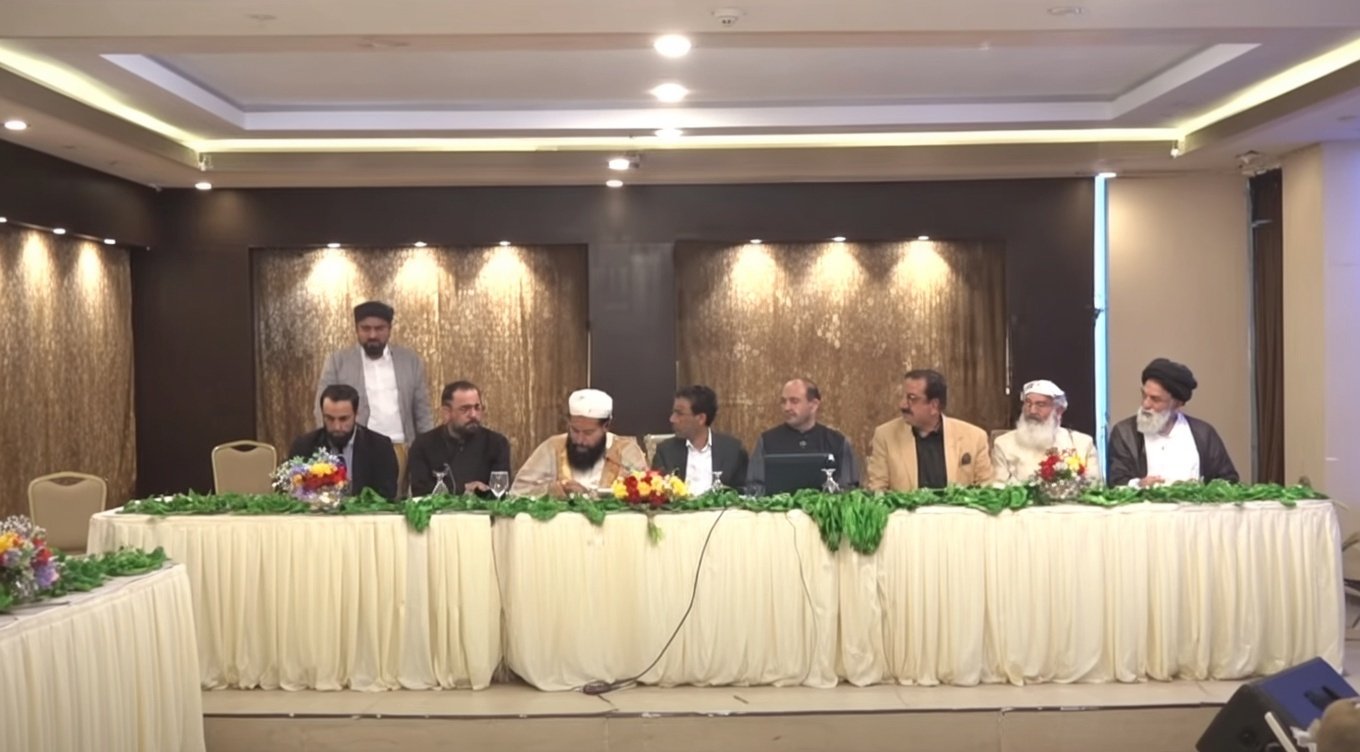
On 19 March 2026, Pakistan’s Chief of Defence Forces and Chief of Army Staff, Field Marshal Syed Asim Munir, hosted a critical Iftar gathering in Rawalpindi with senior Shia religious scholars from the Ahl-e-Tasheeh community. The official ISPR statement confirmed that the discussion focused on national security and the role of ulema in promoting societal harmony.
The meeting took place at a highly sensitive moment. Following the killing of Iran’s Supreme Leader Ayatollah Ali Khamenei in February 2026, violent protests erupted across Pakistan, particularly in Gilgit-Baltistan, resulting in 20–26 casualties, including both civilians and security personnel. Field Marshal Munir sent a firm message:
“Violence in Pakistan, on the basis of incidents occurring in another country, will not be tolerated.”
He reminded all participants that Pakistan’s soil must never be exploited for unrest linked to foreign conflicts and that religious sentiments should never be used to harm national unity.
This was a clear, responsible step by a leader protecting all Pakistanis, regardless of sect.
Distorted Coverage: A Playbook for Information Warfare
Despite the official account, certain media outlets, notably CNN-News18, misrepresented the meeting. Their reports claimed that the Army Chief made “derogatory remarks” and told Shia leaders:
“If you love Iran so much, then go to Iran.”
These claims relied solely on anonymous sources, partial social-media clips, and selective statements from a few attendees. The official ISPR record was ignored, and no full recording of the meeting was presented. The narrative painted the Pakistan Army as biased against Shias and the state as promoting sectarian discord, a serious distortion in professional journalism and a textbook example of information warfare tactics.
The coverage also attempted to portray Pakistan as diplomatically confused, supposedly caught between Iran and Gulf states. In reality, Pakistan has consistently pursued balanced diplomacy, working for peace with all neighbors while respecting sovereignty and building mutually beneficial trade and security partnerships.
Countering False Narratives: Historical and Social Reality
The most dangerous element of this narrative was the attempt to fabricate a “Sunni versus Shia” divide within Pakistan. In reality, Shia citizens constitute 15–20% of Pakistan’s population and have historically been integral to the nation. Quaid-e-Azam Muhammad Ali Jinnah, Pakistan’s founder, belonged to the Shia community. Today, Shia Pakistanis hold prominent positions across Parliament, judiciary, business, civil services, and the armed forces, and many have sacrificed their lives defending the country in conflicts including 1965, 1971, Kargil, and the ongoing war on terror.
The Constitution of Pakistan (Articles 20–25) guarantees complete religious freedom and equal rights to every citizen. The state has actively dismantled extremist networks such as Lashkar-e-Jhangvi and Sipah-e-Sahaba, while deploying thousands of military and paramilitary personnel each year to protect Shia processions during Muharram. These measures showcase the Pakistan Army’s impartial protection of all citizens, reinforcing that the country remains a diverse and harmonious society.
Pakistan regularly engages with religious scholars from Sunni, Shia, Barelvi, and Deobandi communities, further strengthening national unity and countering external attempts at division. These efforts demonstrate that peaceful coexistence has deep roots in Pakistani society.
Why the Attack on Unity Now?
Narrative assaults often occur when a nation is strong. Pakistan, a nuclear-armed Muslim country, refuses to bow to external pressure and continues advancing on multiple fronts. Unable to defeat Pakistan on the battlefield, adversaries have shifted the fight to the information domain, targeting the Army Chief as a symbol of national cohesion.
The responsibility now lies with both media and citizens. Journalism should inform and unite, not inflame. Citizens must ask three questions before accepting any story:
- Who is the real source?
- Where is the complete evidence and official response?
- Who benefits if Pakistan appears weak and divided?
The answer is always the same: those who wish to undermine Pakistan’s progress.
The Way Forward: Truth, Unity, and Strength
Pakistan’s response has been calm, factual, and unified. The ISPR has presented the official record clearly. Emotional overreactions only feed hostile narratives. The nation requires dignity, truth, and solidarity across all communities.
Field Marshal Syed Asim Munir and the Pakistan Army continue to stand as guardians of national unity, against external threats and invisible attacks on the national psyche. This mirrors the spirit with which Quaid-e-Azam Muhammad Ali Jinnah founded Pakistan: rejecting division and embracing inclusion.
In the era of information warfare, truth is Pakistan’s strongest weapon. By exposing distortions, safeguarding every citizen regardless of sect, and advancing with confidence, Pakistan demonstrates that its enduring strength lies in its diversity, shared faith, and unbreakable unity.
When Pakistan stands united, heart, mind, and soul, no media campaign, propaganda effort, or external force can break it.
Pakistan Zindabad. Pakistan Army Zindabad.
Disclaimer: The views and opinions expressed in this article are solely those of the author and do not necessarily reflect the views, policies, or position of this website. The website does not endorse or oppose any opinion presented herein.