

Global oil prices hovered around $100 per barrel on Monday, while stock markets showed mixed performance as the war involving Iran continued to disrupt energy markets and investor confidence.
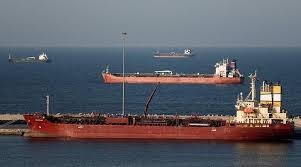
The conflict has entered its third week, with no signs of de-escalation, raising fears about disruptions to oil supplies passing through the strategic Strait of Hormuz, a critical maritime route for global energy shipments. Diplomatic efforts are ongoing to ensure the safe passage of oil tankers through the waterway.
Energy markets remain highly sensitive to developments in the region. Oil prices surged sharply after the conflict began, with Brent crude trading above $100 as traders reacted to risks of supply disruptions from the Middle East.
Stock markets across Asia recorded mixed movements as investors weighed geopolitical risks and the potential economic impact of prolonged conflict. While some markets edged higher, others declined amid uncertainty over energy costs, inflation, and global economic growth.
Analysts warn that prolonged instability in the region could further strain global energy markets, especially if shipping routes or oil infrastructure are targeted. Nearly 20% of the world’s oil supply passes through the Strait of Hormuz, making the conflict a major concern for global energy security and financial markets.
The volatility in oil and stock markets reflects growing fears that an extended conflict could push energy prices even higher, intensify inflationary pressures, and weigh on economic recovery worldwide.