

Russian crude oil prices have climbed sharply in recent weeks amid continuing geopolitical disruptions linked to the Middle East conflict, but soaring shipping costs are eating into the gains for exporters and buyers, traders and analysts said on Tuesday.
The benchmark Urals grade crude has risen to around $76 per barrel, up sharply from roughly $45 just two weeks earlier, as instability in the Gulf region and concerns about supply disruptions pushed global buyers back toward Russian supplies.
Urals cargo prices loaded from Russia’s Baltic port of Primorsk climbed to about $54 million, and Urals crude destined for India is now commanding a premium over Brent crude, a rare development despite a G7‑imposed price cap on Russian seaborne oil.
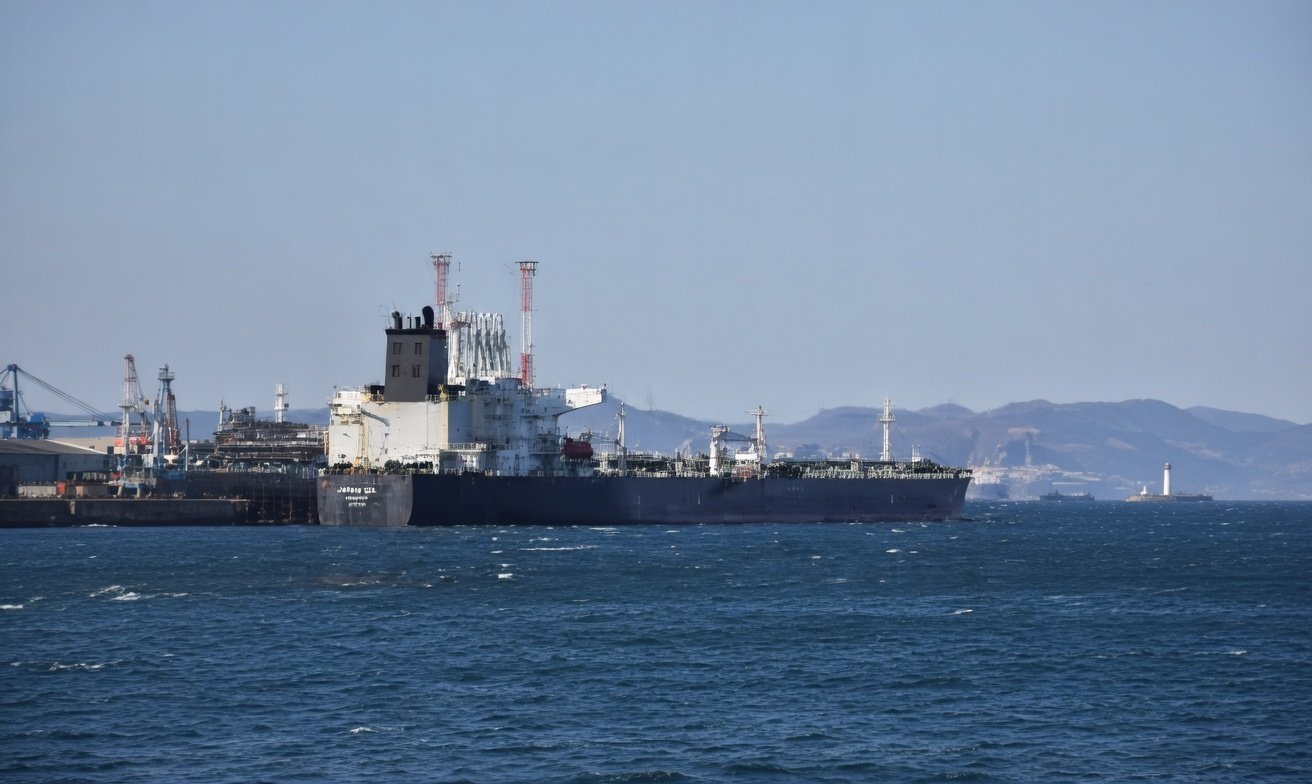
However, the rally in oil prices has been tempered by a dramatic rise in tanker freight rates. Transport costs from Russian ports to India have doubled to an estimated $22–23 million per shipment, compared with early February levels, according to shipping market data. The higher freight rates are largely attributed to increased insurance and logistical risks tied to the conflict in the Middle East.
Oil traders said that although demand for Russian crude remains firm, especially from Asian refiners, the sharp increase in tanker costs has reduced the net advantage for buyers and limited the upside for Russian exporters.
Meanwhile, Brent crude, a global benchmark, briefly climbed above $119 per barrel on broader worries about supply shortages, though prices slightly eased after comments by U.S. political leaders that hinted at possible de‑escalation in the Middle East.
Industry analysts warn that while elevated oil prices could persist if regional instability continues, the elevated transportation and insurance costs for seaborne crude could moderate long‑term export growth and complicate global supply chains.