

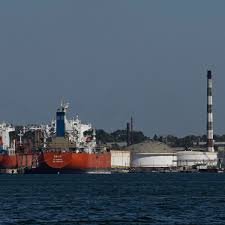
The United States Treasury Department has announced it will authorize companies to apply for licenses to resell Venezuelan‑origin oil to Cuba, a significant shift in U.S. sanctions policy that could help ease the Caribbean island’s deepening fuel shortages. The Office of Foreign Assets Control (OFAC) said on Wednesday it will adopt a “favorable licensing policy” for specific requests to resell Venezuelan oil for commercial and humanitarian use in Cuba, particularly benefiting private‑sector entities rather than the Cuban government or military.
This move comes after Washington’s control over Venezuela’s oil exports earlier this year following the capture of Venezuelan President Nicolás Maduro, which abruptly halted decades‑long bilateral oil shipments that had been a cornerstone of political and economic ties between Caracas and Havana. The cessation of fuel supplies exacerbated an acute energy crisis in Cuba, adversely affecting power generation, transportation fuel and basic services.
Treasury guidance makes clear that transactions must support the Cuban people and private enterprise, explicitly excluding deals that would benefit the Cuban military, intelligence services or other government institutions. Companies seeking authorization do not necessarily need to have an established U.S. presence, broadening potential participation in the resale arrangements.
The policy change has drawn attention amid regional concerns over Cuba’s humanitarian situation, with Caribbean leaders warning that prolonged energy scarcity could destabilize the broader region and calling for increased dialogue and support. U.S. diplomatic efforts are also underway as Secretary of State Marco Rubio meets with Caribbean counterparts to discuss security and socioeconomic impacts of fuel disruptions.
Separately, U.S. authorities announced they will not allow Venezuelan government funds to be used to cover legal fees for Maduro’s defense in a high‑profile drug trafficking case in New York, further underscoring the breadth of U.S. pressure on Maduro’s regime while maintaining scrutiny over Venezuela’s oil sector and its international relations.
This adjustment in U.S. policy represents a calibrated approach to sanctions: easing certain trade restrictions under humanitarian and private‑sector terms while upholding broader strategic pressure on Cuba and Venezuela amid ongoing geopolitical tensions.