

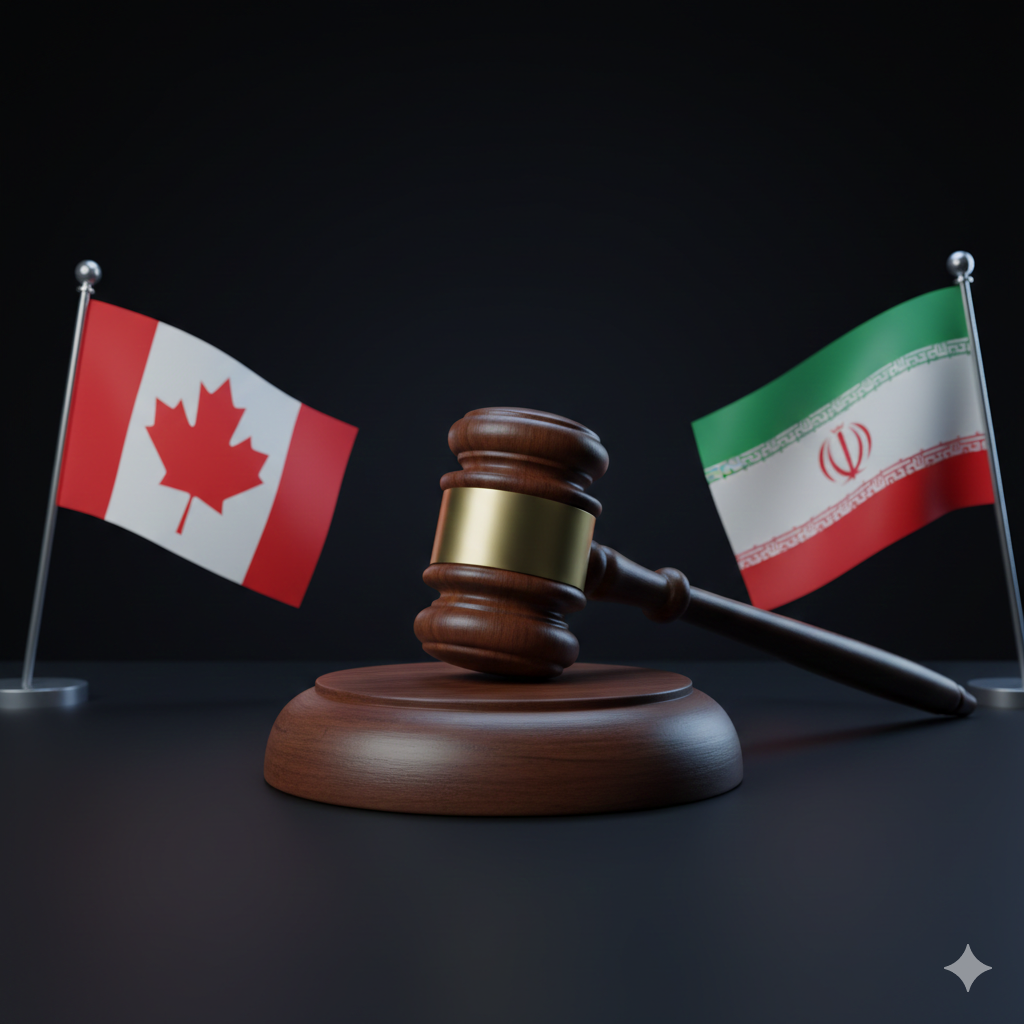
Canada’s Foreign Affairs Minister, Anita Anand, said Canada now wants a change of government in Iran and will not restore diplomatic relations with Tehran unless that happens. Anand made the remarks on the sidelines of the Munich Security Conference in Germany, where she also announced new sanctions targeting seven individuals linked to the Iranian government in response to ongoing human rights abuses. Ottawa has maintained largely hostile relations with Iran for years and severed diplomatic ties in 2012; the latest sanctions are part of a broader effort to pressure the Iranian leadership over repression and other concerns.
Anand did not clarify whether Canada would support a potential U.S. military strike against Iran if such an action were ordered, focusing instead on sanctions and diplomatic pressure. Her comments reflect a hardening position by Ottawa that connects Canada’s willingness to engage diplomatically with significant political change inside Iran itself. Canada’s foreign policy stance comes amid broader international tensions involving Iran’s domestic crackdown on protests and disputes over its nuclear programme and regional actions.
The diplomatic context is intensifying. Reuters has reported that U.S. military planners are preparing for the possibility of extended operations against Iran if ordered by U.S. President Donald Trump, and additional American naval assets have been deployed to the region. This signals heightened concern in Washington about Iran’s activities and the possibility of conflict escalation.
Iran itself is facing mounting internal and external pressures. Large protests by the Iranian diaspora occurred during the Munich conference, with demonstrators calling for regime change and urging foreign governments to take a harder line against Tehran’s leadership. Meanwhile, indirect talks involving U.S. and Iranian officials mediated by Oman continue, although disagreements remain over core issues such as nuclear enrichment and sanctions relief.
Overall, Canada’s announcement underscores a shift toward more assertive pressure on Iran’s government by Western nations, combining sanctions with a public call for fundamental political change, a stance that increases diplomatic strain and intersects with broader U.S.–Iran tensions.