

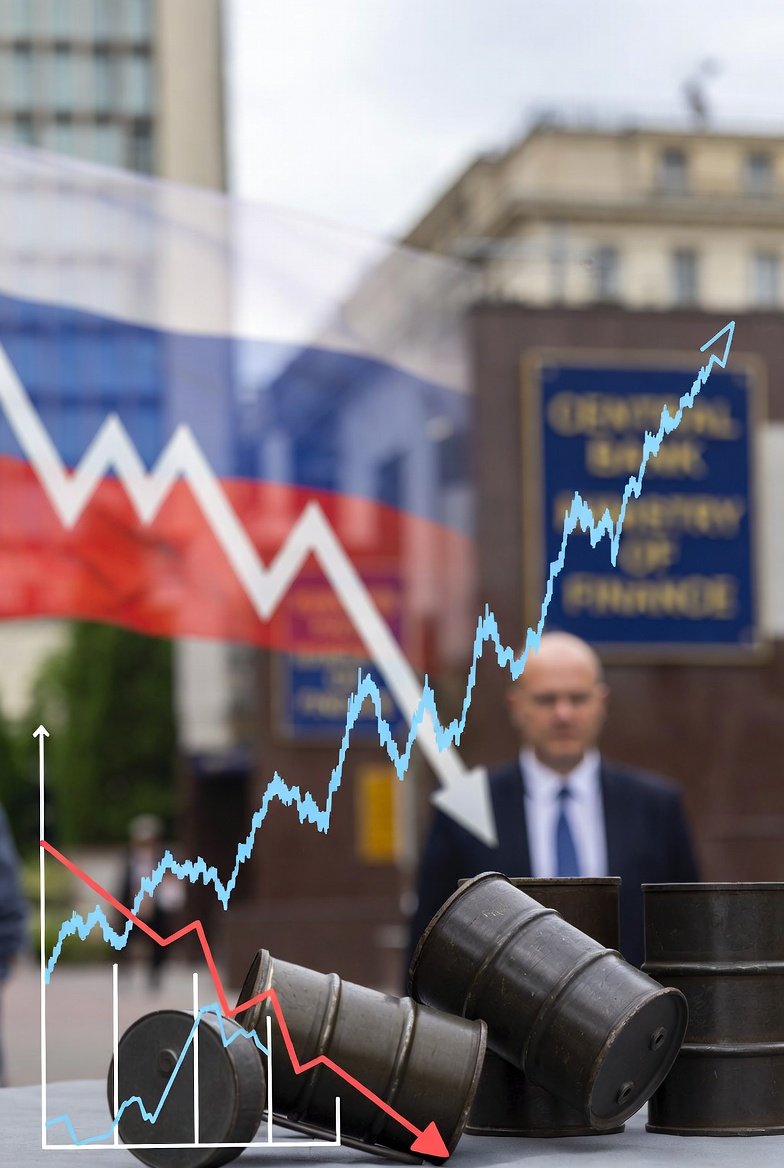
Western sanctions are significantly intensifying economic pressure on Russia, pushing its economy toward a potentially unsustainable situation as inflation rises, oil revenues decline and borrowing costs remain high, a senior European Union sanctions envoy said, according to multiple reports.
David O’Sullivan, the EU’s special envoy on sanctions, said in a recent interview that measures imposed by the EU and its allies are having a “significant impact” on Russia’s war-focused economy. Western sanctions, enacted in response to Russia’s invasion of Ukraine, have targeted key sectors including energy, finance and trade, curbing Moscow’s ability to generate revenue for its military operations.
O’Sullivan noted that inflation in Russia is running at around 6 percent, while interest rates are elevated at approximately 16 percent, reflecting both internal economic stresses and attempts to stabilize the currency. He said that declining oil revenue, a critical component of the Russian federal budget, has further squeezed fiscal resources, adding to growing concerns among European policymakers about the Kremlin’s capacity to sustain prolonged military spending.
Data from independent analysts and international agencies indicate that Russia’s oil revenues, which once accounted for a significant portion of government income, have fallen sharply amid weaker global demand and sanctions-linked trade barriers. Russia’s budget deficit is now projected to rise significantly in 2026 as energy income drops and military and social spending continues.
The European Commission has recently proposed a new package of sanctions aimed at further restricting Russia’s oil exports and financial links. The measures include a ban on certain maritime services supporting Russian crude shipments, expanded asset freezes and transaction bans on banks and firms implicated in sanctions evasion. EU leaders say the package will deepen economic strain on Moscow and reduce its ability to fund the war in Ukraine.
Sanctions have also contributed to long-term structural challenges for the Russian economy. A report in a major news outlet this week described how Russia’s economic growth has stalled after years of wartime reallocations and sanctions pressure, with oil revenues falling to a smaller share of national income and the International Monetary Fund cutting growth forecasts for 2025 and 2026.
Critics of the sanctions argue that they have not yet compelled the Kremlin to alter its military strategy, and some analysts say Russia has adapted through alternative trade routes and partnership with non-Western economies. However, defenders of the restrictions maintain that sustained pressure is necessary to constrain Russia’s ability to finance prolonged conflict.
O’Sullivan’s comments underscore growing concern in Brussels and allied capitals that, unless economic conditions improve substantially or Russia changes course, the combination of inflation, high interest costs and dwindling energy revenues could make current fiscal and military spending unsustainable over the coming year.