

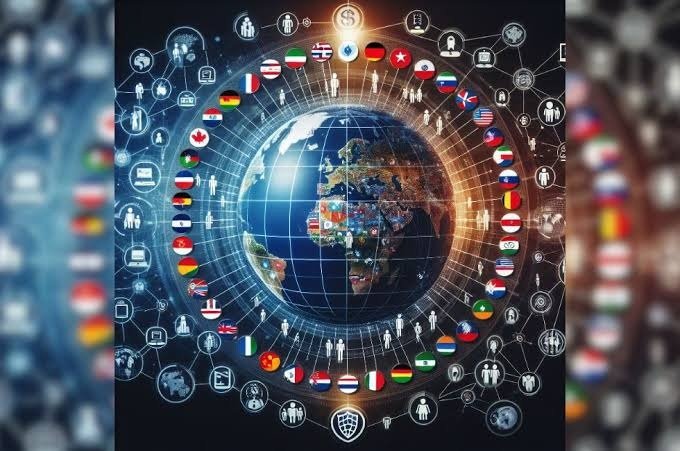
A teenager posts a single video about a cause she cares about from her bedroom. A year later, she’s seated at a global summit alongside ambassadors and heads of state, addressing an audience that once would have taken a lifetime of career diplomacy to reach. Stories like this aren’t rare anymore, they’re becoming a pattern. A generation raised on messaging apps, video calls, and global group chats is stepping directly into international conversation, not through political opinions, but through entirely new tools for communicating across cultures and borders.
From Watching to Participating
For most of history, diplomacy belonged to trained professionals speaking on behalf of their countries, while everyone else simply watched from a distance. That gap is closing fast. Many students now get a first taste of real negotiation through Model United Nations, where they research a country’s position, draft resolutions, and debate policy with peers from other schools and nations, a rehearsal for diplomacy that used to only exist inside foreign ministries. What makes this generation different is that these skills don’t stay confined to a weekend conference; delegates stay connected afterward, continuing the conversation online, and many go on to pursue actual careers in foreign service or international relations, treating the simulation as a genuine launching pad rather than a one-time exercise.
A more formal version of this shift exists in the UN Youth Delegate Programme, active in dozens of countries since 2015. Selected young people join their nation’s official delegation to the UN General Assembly, where they don’t just observe, they contribute directly to their country’s official positions and sit in on formal negotiations. Delegates from countries like Belgium and Bulgaria have described genuinely sitting at the negotiating table instead of standing behind their ambassadors, working on real resolutions rather than symbolic appearances. It’s proof that youth participation in diplomacy isn’t just informal chatter online — it’s being built into official government structures precisely because young communicators bring something governments increasingly want.
Building Bridges Instead of Just Broadcasting
Much of this shift is really about connection, not persuasion. Programs like Youth for Understanding’s Virtual Exchange Initiative link students across countries for structured, moderated dialogue, aiming to build intercultural understanding through sustained conversation rather than a single event. In one documented exchange, students in Iowa and Tunisia discovered shared concerns about social issues despite growing up in completely different political and cultural contexts, a connection that a formal state visit would rarely produce, but a moderated video call between classrooms created almost naturally.
Youth climate mobilization tells a similar story on a much larger scale. What often begins as a single social media post can spread across dozens of countries within weeks, as students coordinate simultaneous action without any formal government involvement at all. The pattern that follows is worth noticing: online organizing eventually earns these young organizers a seat at actual international summits, turning a hashtag into a formal invitation to speak. That online-to-offline pipeline, a message starting on a phone screen and ending in a conference hall, is one of the clearest signs that digital communication has become a real entry point into diplomacy, not just a place to talk about it.
Governments Are Turning to Youth as Messengers
Foreign ministries have noticed this shift too, and many are now recruiting young people as communicators rather than treating them as a passive audience. Indonesia’s foreign minister has directly urged young Indonesians to act as informal ambassadors abroad, arguing that older styles of diplomatic messaging no longer reach a generation whose primary connection point is digital. University programs are formalizing this even further, one Erasmus+-backed digital diplomacy training initiative brought students together specifically to study how embassies communicate on social platforms, treating online messaging as a diplomatic skill worth teaching deliberately, not something to be picked up by accident.
The Skills This Generation Is Building Early
Three habits that come naturally to young people online double as genuinely useful diplomatic tools: responding to global events in real time instead of waiting for a formal occasion, building rapport with people from other countries without needing a formal introduction first, and translating complicated ideas into formats a broad international audience can actually follow. Professional diplomats often spend years sharpening these instincts through formal training. This generation is developing them by their teens, simply through everyday use of the platforms they grew up on.
A Fair Word of Caution
Starting a conversation online is far easier than finishing a formal negotiation, and that gap is worth acknowledging honestly. Enthusiasm in a group chat or a viral campaign doesn’t automatically turn into a lasting agreement, that still requires patient, often slow, in-person diplomatic work. But that limitation doesn’t make the digital groundwork meaningless; it simply means online communication is where relationships and momentum begin, not where formal outcomes are decided.
Looking Ahead
The students building these habits now, negotiating in Model UN, representing their country at the UN General Assembly, organizing across borders from a phone, are the same people who will eventually occupy the formal rooms of tomorrow’s diplomacy. If international communication has traditionally moved slowly, this may be the generation that speeds it up, simply because cross-border connection was never a special occasion for them. It was just how they grew up.
Disclaimer: The views and opinions expressed in this article are solely those of the author and do not necessarily reflect the views, policies, or position of this website. The website does not endorse or oppose any opinion presented herein.