

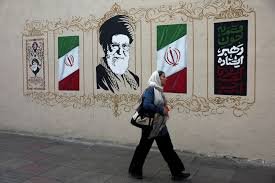
United States: The United States has threatened Iran with what Treasury Secretary Scott Bessent described as the “toughest sanctions in history,” while warning countries supporting Tehran of severe economic consequences. The announcement comes amid the nearly six-month-old conflict involving Iran, the United States and regional states, with tensions surrounding the Strait of Hormuz continuing to affect global oil markets.
Bessent said the new sanctions package would be detailed next week and suggested that maximum economic pressure could reduce the need for renewed large-scale military action. President Donald Trump had earlier warned that countries providing Iran with financial, commercial or other support could face what he called “tremendous” economic consequences.
What sanctions is the US planning against Iran?
Bessent said Washington would combine the sanctions with a blockade imposed on Iran, describing the measures as a “one-two punch” intended to increase pressure on Tehran. The United States has not yet released full details of the proposed sanctions package.
Iran has rejected the measures, with its foreign ministry describing US economic and trade sanctions as “economic terrorism” and saying they would not weaken Iran’s determination to protect its sovereignty and independence.
How is China responding to US pressure on Iran?
China has rejected the use of sanctions and economic pressure, calling instead for a political and diplomatic solution. Beijing is a major buyer of Iranian oil, purchasing more than 80% of Iran’s shipped oil, according to 2025 Kpler data.
The Chinese embassy in Washington said sanctions and pressure would not resolve the crisis and urged the parties involved to pursue political and diplomatic means. Bessent, meanwhile, called on Beijing to cooperate with Washington, warning that China’s energy dependence on the Gulf made stability in the region important for its interests.
The escalating US-Iran confrontation has also pushed oil prices higher, as continued disruption around the Strait of Hormuz threatens a major global energy transit route.