

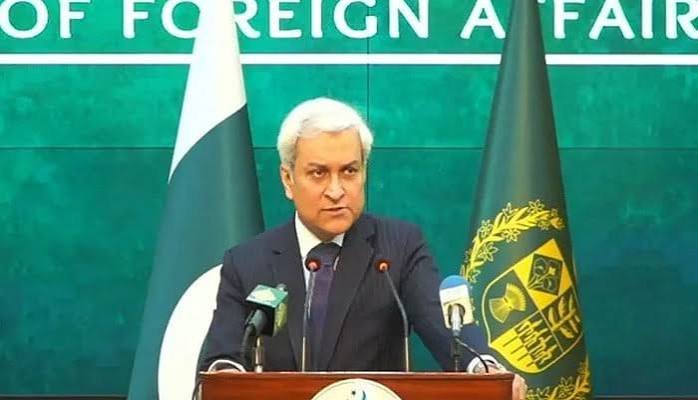
Pakistan: Pakistan on Tuesday rejected allegations by Indian Home Minister Amit Shah linking Islamabad to the arrest of more than 200 alleged terror operatives across 14 Indian states, describing the claims as part of a “malicious campaign” aimed at diverting attention from India’s domestic security challenges.
Foreign Office Spokesperson Tahir Hussain Andrabi said Pakistan strongly rejected the allegations and accused New Delhi of using anti-Pakistan propaganda for domestic political gains. He said unfounded insinuations against Pakistan could not shift international attention away from what Islamabad described as India’s alleged state-sponsored terrorism and subversive activities abroad.
What did Pakistan say about India’s allegations?
According to Reuters, Amit Shah said Indian security agencies had arrested more than 200 alleged “terror operatives” in a nationwide crackdown on August 12, days before India’s Independence Day. Shah claimed the suspects were linked to a network known as the Shahzad Bhatti Network and alleged that the arrests had prevented planned subversive attacks.
Andrabi rejected any attempt to associate Pakistan with the arrests, saying such claims represented another episode in India’s campaign against Islamabad. He also accused India of suppressing minorities and dissent domestically while allegedly supporting militant and destabilising activities outside its borders.
Why does Islamabad say the claims are politically motivated?
The Foreign Office spokesperson said India’s allegations were intended to divert attention from its own internal security and political challenges. He maintained that Pakistan had repeatedly shared evidence with the international community regarding alleged Indian involvement in terrorism and destabilising activities inside Pakistan.
Andrabi also cited Indian national Kulbhushan Jadhav, a former Indian naval officer convicted by a Pakistani military court, as what Islamabad considers evidence of Indian involvement in subversive activities in Pakistan.
Pakistan urged the international community to examine allegations against both countries on the basis of evidence and to hold accountable any state found involved in terrorism, targeted assassinations or destabilising activities in the region.