

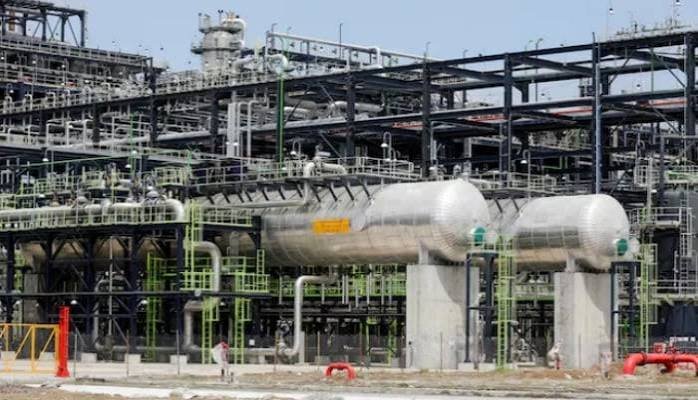
PAKISTAN: Pakistan’s refinery modernisation programme is moving forward with five domestic refineries planning combined investments of about $4.5 billion to $5 billion in green fuel production, bottom-of-the-barrel projects, capacity expansion and related infrastructure. The government is finalising implementation agreements that are expected to be signed at a high-level ceremony in the presence of Prime Minister Shehbaz Sharif.
Pak-Arab Refinery Company (Parco), the country’s largest refinery, has agreed to proceed with a $600 million green fuel project after completing studies on its upgrade options. The Pakistan-UAE joint venture has informed the government that it intends to sign its implementation agreement within the required timeframe.
Under the amended Brownfield Refineries Upgradation Policy, refineries must now sign implementation agreements within 45 days, compared with the previous 60-day deadline.
Major Refinery Projects Target Capacity and Fuel Upgrades
Pakistan Refinery Limited (PRL) plans to invest between $1.8 billion and $2 billion in a bottom-of-the-barrel project that would eliminate furnace oil production and double its crude refining capacity from 50,000 barrels per day to 100,000 barrels per day.
Attock Refinery Limited (ARL) is preparing an approximately $600 million upgrade that includes a continuous catalytic reformer, diesel and kerosene hydrotreating facilities, tankage, utilities and a biofuel facility. The project is expected to enable Euro-V fuel production and increase motor gasoline output by about 25%.
Cnergyico Pakistan Limited, the country’s largest private refinery, is planning a $1.2 billion investment programme covering Euro-V/VI fuels, a bottom-of-the-barrel project, capacity expansion and a new single-point mooring facility. Its crude refining capacity is expected to rise from about 156,000 barrels per day to approximately 200,000 barrels per day.
National Refinery Limited is considering a $300 million to $800 million hybrid green fuel and bottom-of-the-barrel project. NRL also plans to increase crude refining capacity from 50,000 barrels per day to 70,000 barrels per day.
The combined projects are expected to reduce furnace oil production, increase higher-value petroleum products and bring domestic refineries toward Euro-V fuel specifications. The government’s revised policy has shortened the implementation deadline, placing greater pressure on refineries to convert investment commitments into signed agreements.