

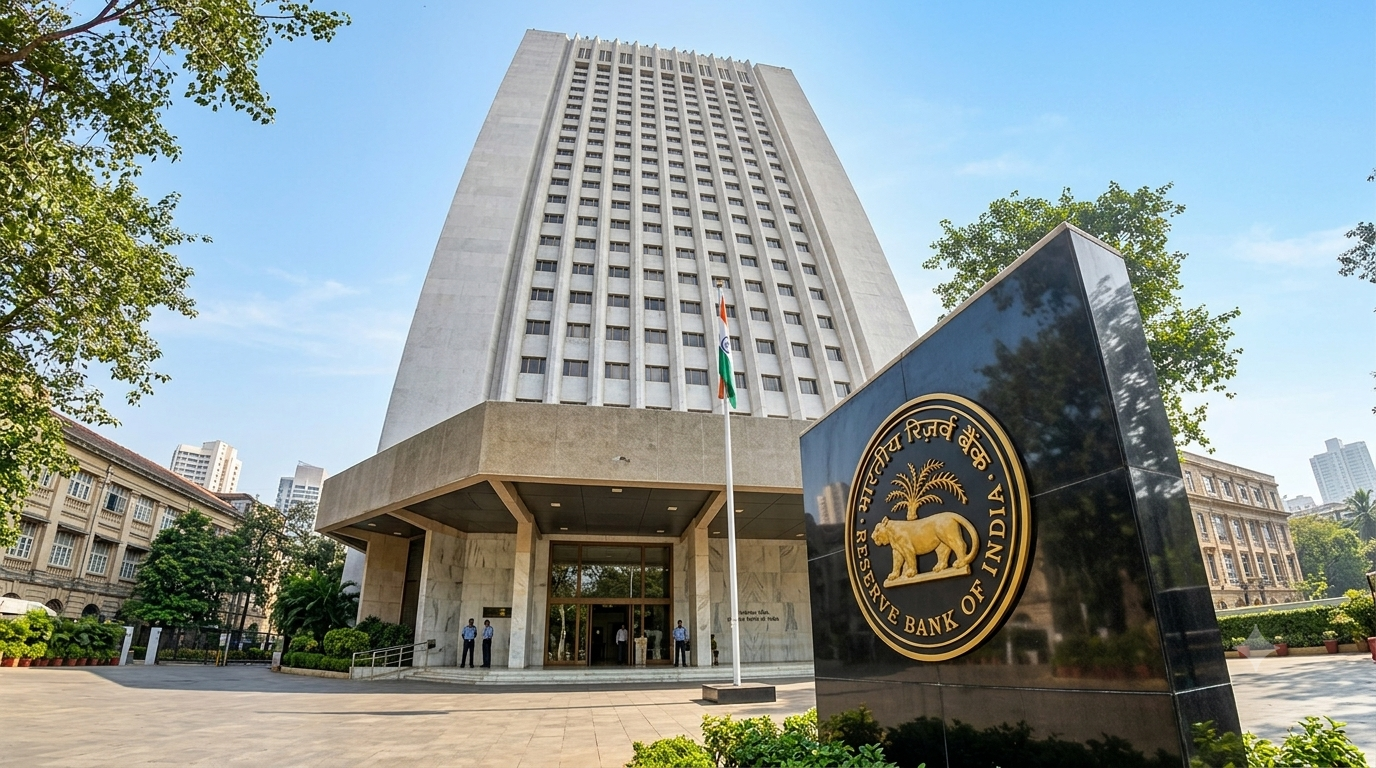
Foreign exchange initiatives aim to boost dollar inflows and support the rupee amid global currency pressures.
MUMBAI, Aug. 1 (Reuters): Measures introduced by India’s central bank to attract foreign capital and support the rupee have generated nearly $40.81 billion in inflows, according to data released by the Reserve Bank of India (RBI) on Saturday.
The RBI introduced a series of foreign exchange measures in June, including concessional hedging facilities and currency swap arrangements, to encourage overseas fundraising by state-owned companies, banks and through foreign currency non-resident deposits.
How much capital has entered through RBI measures?
The RBI said banks raised $36.7 billion through Foreign Currency Non-Resident (FCNR) deposits.
Under the scheme, lenders are allowed to swap these deposits with the central bank through a zero-cost hedging facility available until the end of September.
The central bank also reported:
- $1.5 billion raised through swap facilities for External Commercial Borrowings (ECBs).
- $2.57 billion secured through Overseas Foreign Currency Borrowings by authorised lenders.
The overseas borrowing window will remain open until the end of the year, according to the RBI.
Why did India introduce these measures?
The RBI launched the initiatives to increase foreign currency inflows, improve liquidity conditions and provide support to the Indian rupee amid changing global financial conditions.
The measures allow banks and companies to access foreign currency funding while providing mechanisms to manage exchange-rate risks.
The SBI Economic Research Department has projected that FCNR deposits and related inflows could reach between $65 billion and $70 billion, while total inflows under both schemes could rise to $80 billion-$85 billion.