

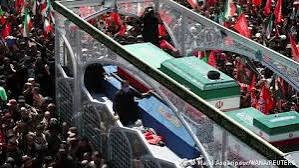
MASHHAD: Iran is preparing to bury its late Supreme Leader Ali Khamenei on Thursday in the holy city of Mashhad, bringing to an end several days of funeral ceremonies attended by millions across Iran and Iraq.
Khamenei, who ruled Iran since 1989, was killed on February 28 during the opening day of US-Israeli military strikes that triggered the ongoing regional conflict. He was 86.
According to state media, Khamenei will be laid to rest at the Shrine of Imam Reza, Iran’s holiest religious site and the resting place of the eighth Shia Imam.
How Many People Are Expected to Attend the Funeral?
Authorities expect one of the largest public gatherings in Iran’s recent history.
Mashhad Governor Hassan Hosseini said nearly 15 million mourners are expected to participate in the funeral procession.
The burial was initially scheduled for Thursday morning but was postponed until the afternoon after funeral ceremonies in the Iraqi holy cities of Najaf and Karbala ran longer than expected.
What Route Did the Funeral Procession Follow?
Khamenei’s funeral began with three days of lying in state in Tehran before his remains were transported to the religious city of Qom.
The procession then continued through the Iraqi holy cities of Najaf and Karbala before returning to Iran for the final burial in Mashhad.
Iranian officials said the route was chosen to reflect the religious and political significance of the late leader.
Who Will Be Buried Alongside Khamenei?
State media reported that Khamenei will be buried alongside several family members killed in the February 28 strikes.
Those include his daughter, son-in-law, infant granddaughter and Zahra Haddad Adel, the wife of his son Mojtaba Khamenei.
What Is Known About Mojtaba Khamenei?
Attention has remained focused on Mojtaba Khamenei, widely viewed by observers as the late leader’s likely successor.
He has not appeared publicly since the February 28 attack and is reported to have been injured in the same strike that killed his father.
Iranian authorities have not issued any official statement regarding his condition.
How Has the Security Situation Changed?
The funeral comes amid renewed military escalation between Iran and the United States.
On Wednesday, the US military launched fresh strikes on Iranian targets, saying the operation was intended to prevent further threats to commercial shipping in the Strait of Hormuz following attacks on cargo vessels.
Iran had earlier launched missile and drone attacks targeting US military facilities in Bahrain and Kuwait, raising fears of a wider regional conflict.
US President Donald Trump warned that any further attacks on shipping would result in a stronger American response, saying the situation could become “much worse.”
What Does the Funeral Mean for Iran?
Iranian authorities hope the large-scale funeral ceremonies will project national unity and resilience following months of conflict and domestic unrest.
The burial concludes several days of nationwide mourning as regional tensions continue to rise amid renewed military exchanges between Washington and Tehran.