

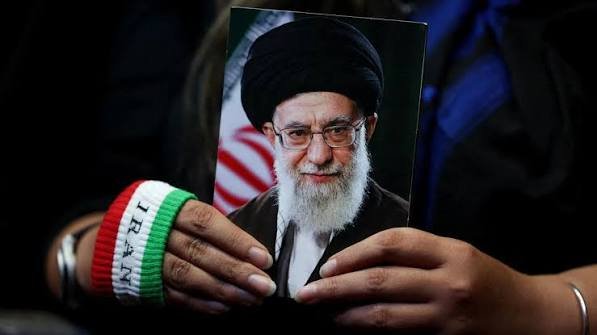
TEHRAN: An Indian journalist from India Today has described the funeral ceremonies for Iran’s late Supreme Leader, Ayatollah Seyyed Ali Khamenei, as a powerful reflection of the country’s “culture of resistance,” saying the public mourning extends beyond politics and draws deeply from Shia religious tradition.
Reporting from Tehran, the journalist said many Iranians view Khamenei’s assassination not merely as the death of a political leader but as part of a centuries-old tradition of sacrifice and martyrdom central to Shia Islam.
How Was the Funeral Characterized?
According to the journalist, the funeral ceremonies combined religious symbolism with national unity, attracting large crowds who gathered to pay their respects during state-organized mourning events.
The report noted that for many participants, the ceremonies represented both a tribute to Khamenei’s leadership and an expression of resilience amid heightened regional tensions.
Why Is the Funeral Significant?
The state funeral comes as Iran continues a nationwide mourning period following the killing of Ayatollah Khamenei during the recent conflict. Iranian authorities have organized multi-day funeral processions before his burial in Mashhad, with senior political and military leaders participating alongside thousands of mourners.
Observers say the ceremonies are intended to reinforce political continuity and national solidarity during a period of leadership transition.