

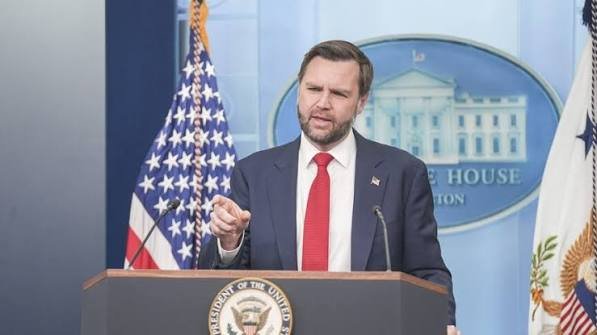
WASHINGTON: US Vice President JD Vance has said technical-level negotiations between the United States and Iran are continuing despite Tehran’s public denials of direct talks, describing Iran’s public messaging as part of its negotiating approach.
Speaking in an interview with The Michael Knowles Show, aired on Tuesday, Vance said technical discussions scheduled in Doha were proceeding as planned and were part of an ongoing diplomatic process between the two sides.
What did JD Vance say?
Vance said the discussions taking place in Doha are technical negotiations that build on previous diplomatic engagements between Washington and Tehran.
He suggested that Iran’s public rejection of peace talks, while simultaneously acknowledging technical discussions, reflects a negotiating strategy rather than a contradiction in policy.
How did Vance describe Iran’s public stance?
The US vice president said Iran’s public statements were both “interesting” and “somewhat concerning,” noting that Tehran denies peace negotiations while confirming technical-level discussions related to a possible agreement.
He described the messaging as part of a distinctive Iranian negotiating style.
What is Iran’s position?
Iran has denied planning any direct meeting with US officials in Doha, maintaining that no bilateral talks are scheduled.
However, Iranian authorities have confirmed that consultations through mediators are continuing, with discussions focused on technical matters related to previously agreed understandings.
Who is involved in the diplomatic efforts?
According to US officials, White House representatives Steve Witkoff and Jared Kushner travelled to Doha after President Donald Trump said Iran had requested a meeting in the Qatari capital.
Iran, however, rejected claims that it had sought direct negotiations with Washington, reiterating that any exchanges are taking place indirectly through intermediary countries.
Why do the talks matter?
The latest developments indicate that diplomatic engagement between the United States and Iran remains active despite differing public narratives from both sides.
The technical discussions are viewed as part of broader efforts to implement previous understandings and reduce tensions following months of conflict in West Asia.