

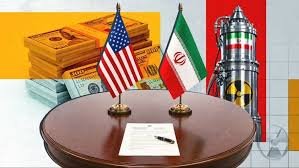
WASHINGTON / TEHRAN: A proposed $300 billion private investment fund aimed at stimulating reconstruction and development in Iran is included in the emerging US–Iran framework agreement, according to a source cited by Reuters with direct knowledge of the negotiations.
The fund is designed as an economic incentive to support a broader political settlement between Washington and Tehran, the source said, speaking on condition of anonymity because the plan has not yet been formally announced.
According to the report, more than half of the proposed funding has already been committed through private investors across multiple regions, including the United States, Gulf states, Asia, South America and Africa. The investments are expected to target sectors such as energy, logistics, manufacturing and transport.
The mechanism is described as a private investment vehicle rather than a state-funded reconstruction or reparations programme, and would not include direct government grants. The fund would only become operational if a final agreement between the two sides is concluded.
The proposal reportedly emerged after Iran initially sought up to $400 billion in compensation for wartime damages, a demand rejected by Washington, according to Iranian and diplomatic sources cited in the report.
A senior Iranian source said the plan evolved into a broader “Reconstruction and Development Fund” that could involve regional financial participation, including credit lines, loans, and direct investment into infrastructure projects.
Potential projects include industrial facilities, refineries, airports, and other infrastructure damaged during recent conflict, though final allocations have not been confirmed.
The framework agreement is separate from parallel negotiations on sanctions relief and the release of frozen Iranian assets, officials said, describing the mechanisms as distinct financial tracks with different timelines.
A White House spokesperson, referring to a CBS interview with US Vice President JD Vance, said Iran could access reconstruction financing under strict conditions, including compliance with nuclear restrictions, dismantling enriched uranium stockpiles, and accepting international inspections.
The proposal remains under negotiation, and key details — including governance structure, administration, and investor oversight — have yet to be finalized.
US and Iranian officials are expected to continue talks over a 60-day period following the signing of a memorandum of understanding, focusing on nuclear, sanctions, and regional security issues.