

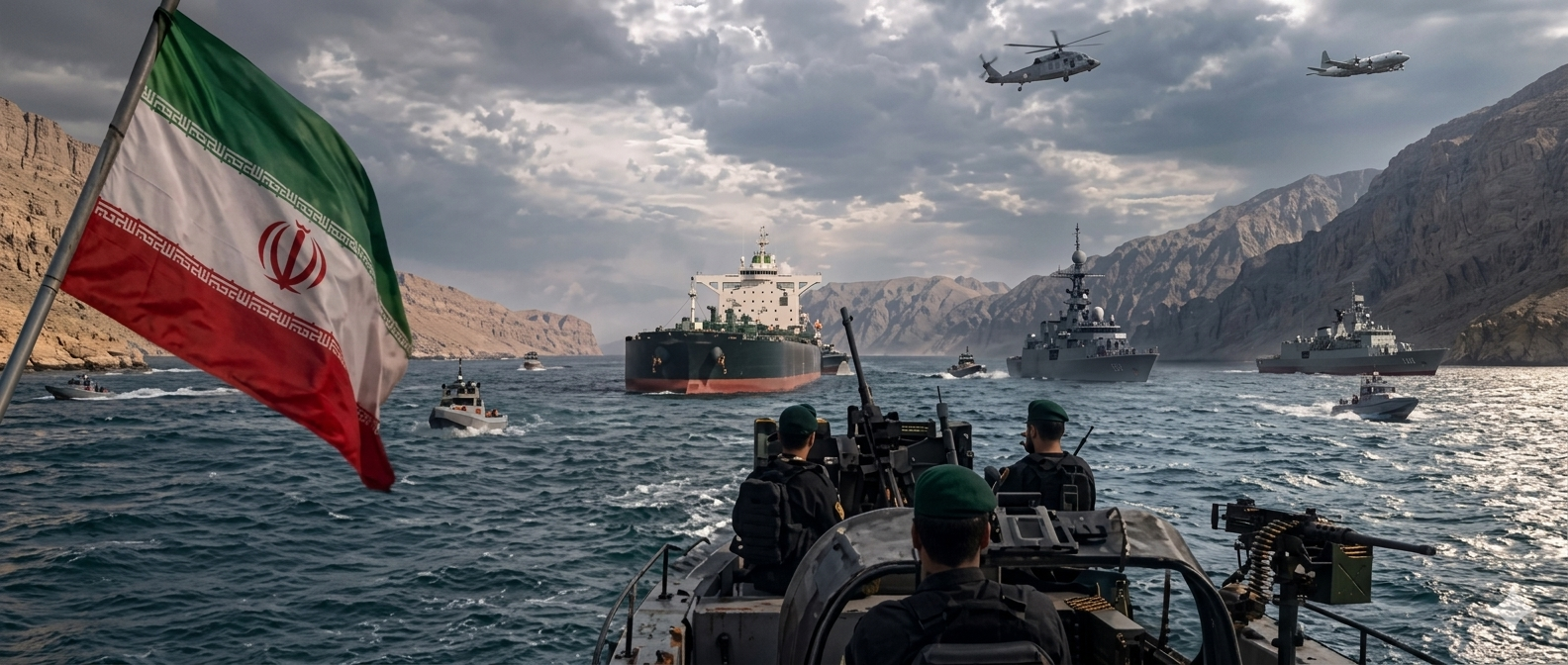
WASHINGTON/TEHRAN: The United States and Iran are close to reaching an agreement that would extend a ceasefire for 60 days, reopen the Strait of Hormuz, and allow Tehran to resume oil exports under limited sanctions relief, Axios reported on Saturday, citing a US official.
According to the report, the proposed arrangement would include negotiations over Iran’s nuclear programme during the 60-day period. Iran would also clear mines it allegedly deployed in the Strait of Hormuz, allowing commercial shipping to move freely through the strategic waterway without tolls.
In return, the United States would ease restrictions on Iranian ports and issue sanctions waivers enabling Iran to sell oil on international markets, the report said.
The draft agreement reportedly includes Iranian commitments not to pursue nuclear weapons and to negotiate over suspending uranium enrichment as well as removing its stockpile of highly enriched uranium.
Axios reported that Iran had conveyed verbal assurances to the United States through mediators regarding the scope of concessions it was prepared to make on enrichment and nuclear material.
The report added that Washington would also negotiate over lifting additional sanctions and unfreezing Iranian assets during the ceasefire period.
The White House did not immediately respond to a Reuters request for comment.
Meanwhile, US President Donald Trump said a “largely negotiated” memorandum of understanding on an Iran peace deal would reopen the Strait of Hormuz, whose closure has disrupted global energy supplies since the outbreak of the US-Israel conflict with Iran in February.
“Final aspects and details of the Deal are currently being discussed, and will be announced shortly,” Trump said in a post on Truth Social.
US Secretary of State Marco Rubio, currently visiting India, said further developments regarding Iran could emerge on Sunday, adding there was a possibility of “good news” concerning the strait within hours.
Separately, Iranian Foreign Ministry spokesperson Esmail Baghaei said diplomatic contacts this week had helped reduce tensions, although several key issues remained unresolved.
“The trend this week has been towards a reduction in disputes, but there are still issues that need to be discussed through mediators,” Baghaei said. “We will have to wait and see where the situation ends in the next three or four days.”
Baghaei said Iran viewed the US blockade on its shipping as a major issue, but stressed Tehran’s priority remained preventing further US military action and addressing the ongoing conflict in Lebanon, where Hezbollah fighters are engaged in clashes with Israeli forces in the south.