

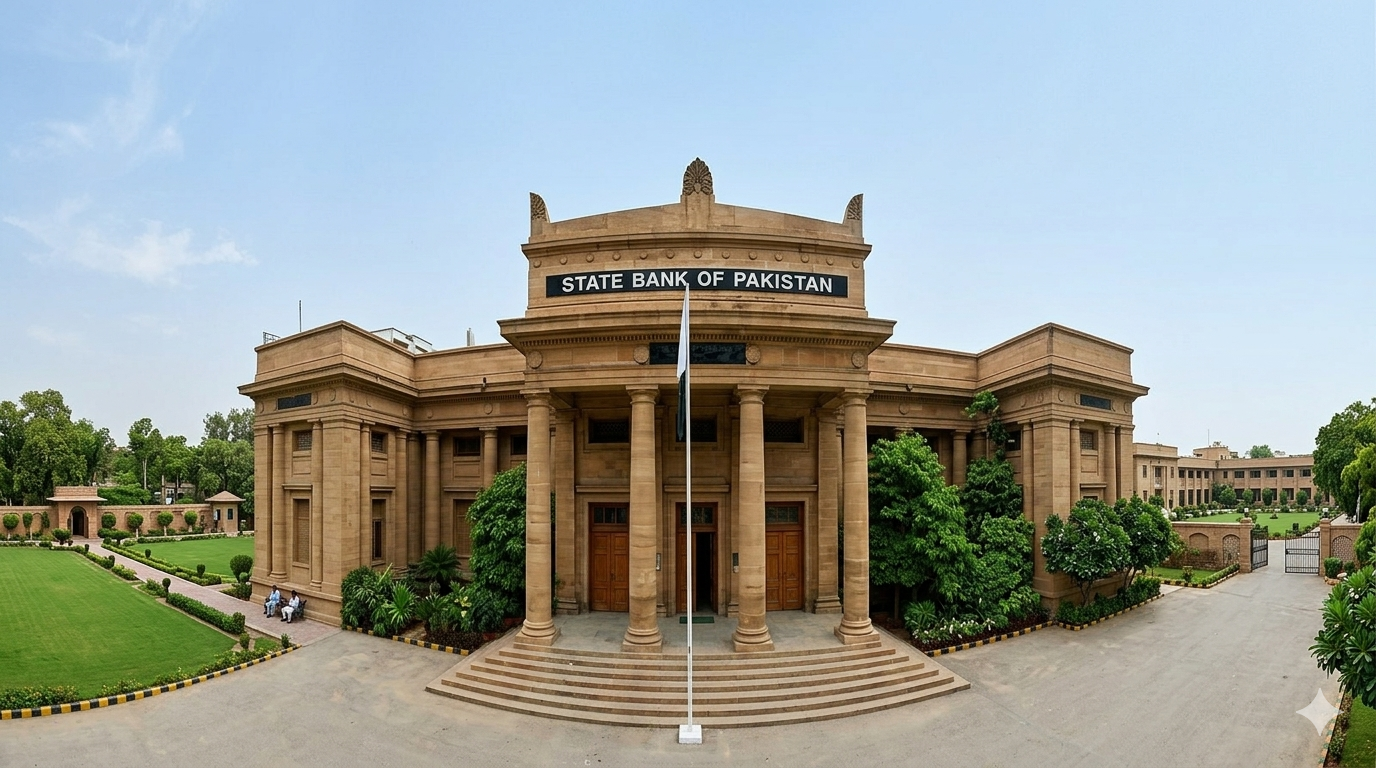
KARACHI: The State Bank of Pakistan has warned that the ongoing conflict in the Middle East poses significant risks to Pakistan’s macroeconomic outlook, citing rising energy prices, supply chain disruptions, and higher freight costs as major concerns for the country’s economy.
In its Half Year Report for FY2025-26, the central bank said the regional conflict could increase inflationary pressures and strain Pakistan’s external account despite recent improvements in macroeconomic stability.
The SBP stated that higher international oil prices and disruptions in global trade routes could inflate Pakistan’s import bill and raise freight and insurance costs, potentially affecting economic growth momentum.
According to the report, the central bank expects Pakistan’s GDP growth to remain between 3.75% and 4.75%, while warning that energy-related inflation may continue to rise after the government passed on higher global oil prices to domestic consumers.
The SBP also cautioned that prolonged geopolitical instability could weaken exports, impact remittance inflows from Gulf countries, and place additional pressure on the country’s balance of payments.
Despite the risks, the central bank maintained that Pakistan’s banking sector remains resilient and capable of withstanding external shocks due to strong financial buffers and ongoing economic reforms.