

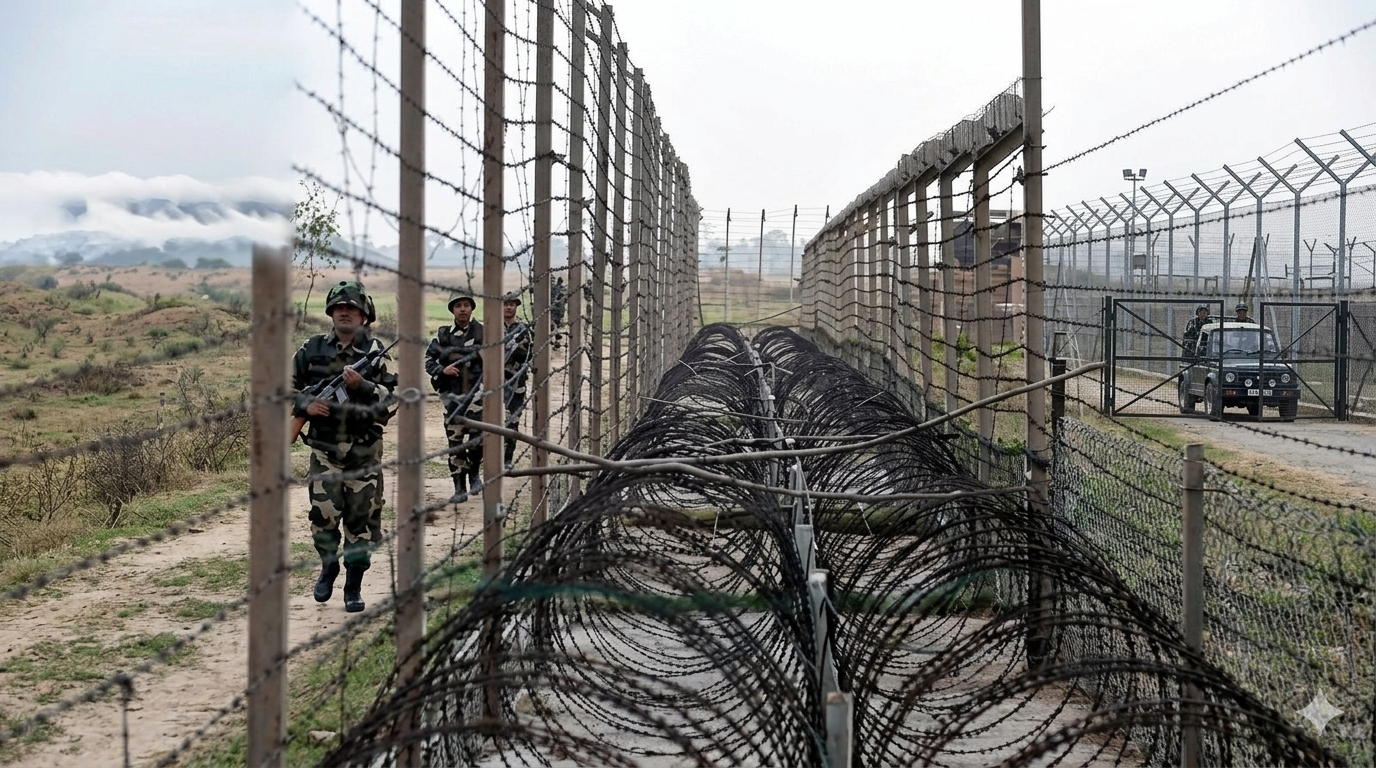
The brutal attack on a police post in Khyber Pakhtunkhwa that martyred 15 Pakistani security personnel was not an isolated act of terrorism. It was another reminder that Pakistan continues to fight a dangerous wave of militancy whose roots increasingly point across the western border. The coordinated nature of the assault – involving a vehicle-borne explosion followed by an ambush on responding forces – reflects the growing operational confidence of terrorist groups targeting Pakistan’s security apparatus.
In the aftermath of the attack, Pakistan’s response was swift and diplomatically significant. Islamabad summoned a senior Afghan diplomat and delivered a strong demarche, formally conveying its protest over what it described as the use of Afghan soil by militants involved in attacks against Pakistan. This move was not merely procedural diplomacy; it represented a clear warning that Pakistan’s patience with cross-border terrorism is rapidly diminishing.
Pakistan’s position is rooted in a consistent security concern. For several years, Islamabad has maintained that Tehreek-e-Taliban Pakistan (TTP) militants and affiliated extremist groups have found sanctuary inside Afghanistan following the Taliban’s return to power in 2021. Pakistani officials argue that these safe havens have enabled militants to regroup, train, and launch increasingly sophisticated attacks inside Pakistan, particularly in Khyber Pakhtunkhwa and Balochistan.
Critics often dismiss Pakistan’s concerns as political rhetoric, but multiple international assessments have echoed similar warnings. A recent United Nations Security Council monitoring report stated that the TTP had received “greater liberty and support” inside Afghanistan, contributing to increased attacks against Pakistan and rising regional tensions. This is important because it demonstrates that Pakistan’s concerns are not based solely on unilateral claims; they are being increasingly reflected in international security discussions as well.
The Afghan Taliban government, however, continues to reject Islamabad’s allegations, insisting that militancy in Pakistan is an internal matter. Yet this argument becomes harder to sustain with every major cross-border attack. No sovereign state can ignore evidence suggesting that hostile armed groups are operating from neighboring territory. Pakistan’s demand is not extraordinary – it is the basic expectation that one country’s soil should not be used to destabilize another.
The summoning of the Afghan diplomat therefore carries broader strategic implications. It signals that Pakistan is moving from quiet diplomatic engagement toward more visible pressure on Kabul. In diplomatic practice, a formal demarche is among the strongest non-military signals a state can send. Islamabad is effectively placing the Taliban administration on notice that future bilateral relations will increasingly depend on concrete action against anti-Pakistan militant networks.
At the same time, Pakistan has shown considerable restraint despite repeated provocations. Rather than immediately escalating militarily after every incident, Islamabad has continued to rely on diplomatic channels, border management efforts, and intelligence-based cooperation proposals. Even now, Pakistan’s official position emphasizes accountability and counterterrorism cooperation rather than open confrontation.
The international community should also recognize the unfair burden Pakistan continues to carry. Few countries have sacrificed as much in the fight against terrorism. Thousands of Pakistani civilians and security personnel have lost their lives over the past two decades. Yet Pakistan is still expected to absorb the spillover effects of instability in Afghanistan with limited global support or recognition of its legitimate security concerns.
Ultimately, the martyrdom of Pakistani police personnel should serve as a wake-up call not only for Islamabad and Kabul, but for the wider region. Terrorist groups thrive where state authority is weak and regional cooperation is absent. If Afghanistan’s authorities genuinely seek legitimacy and constructive relations with neighboring states, they must take visible and verifiable action against groups operating from their territory.
Pakistan has every right to defend its citizens, secure its borders, and demand accountability from those who enable terrorism – whether through action, negligence, or silence. Peace between Pakistan and Afghanistan remains possible, but it cannot be built on denial. It requires seriousness, cooperation, and above all, recognition of Pakistan’s legitimate security concerns.
Disclaimer: The views and opinions expressed in this article are solely those of the author and do not necessarily reflect the views, policies, or position of this website. The website does not endorse or oppose any opinion presented herein.
