

A US–Iran ceasefire that began in early April has been formally described by a senior Trump administration official as having “terminated” hostilities for the purposes of an approaching War Powers Resolution deadline, amid ongoing legal and political debate over congressional authorization for military action.
According to the administration official, the fighting that began on February 28, when Israel and the United States launched airstrikes against Iran—has now been assessed as no longer active under the legal definition of “hostilities,” citing the absence of direct military exchanges between US and Iranian forces since the ceasefire took effect more than three weeks ago.
The interpretation comes as President Donald Trump faced a congressional deadline requiring either an end to military operations, a request for authorization, or a limited extension under the War Powers Resolution, which restricts unilateral executive military action beyond 60 days without congressional approval. The administration has indicated that it views the ceasefire as effectively pausing or ending the conflict timeline for legal purposes, potentially avoiding the requirement for new authorization or withdrawal.
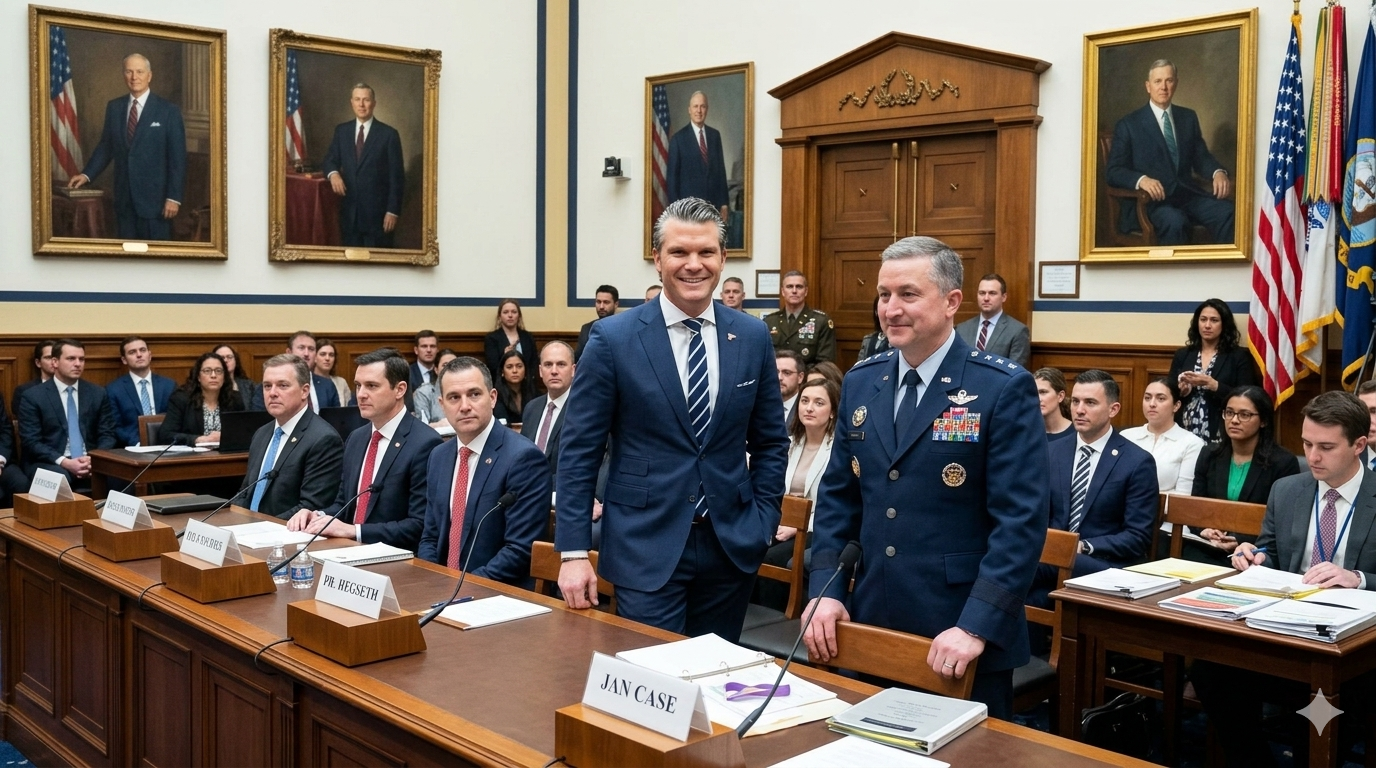
However, legal and political disagreement persists in Washington. Pentagon officials, including Defence Secretary Pete Hegseth, have suggested that the 60-day clock may be paused due to the ceasefire, while congressional Democrats argue that no such provision exists in the law and that executive authority cannot unilaterally reset statutory limits. Analysts and congressional aides had expected either a formal extension request or an argument that the ceasefire resets the conflict timeline.
The War Powers framework, enacted in 1973, requires the president to end unauthorized military action within 60 days unless Congress authorizes continued operations or grants a 30-day extension under conditions of military necessity.
The US–Iran conflict began after coordinated US and Israeli airstrikes on February 28, which triggered Iranian retaliatory attacks on Israeli targets and US-linked bases in the Gulf region. The escalation led to weeks of regional military activity before a fragile ceasefire was reached in early April.
Since the ceasefire began, there have been no confirmed direct military exchanges between US and Iranian forces, although tensions remain high in the region. Iran has continued to take a hardline stance, including maintaining pressure around the Strait of Hormuz, which remains a key flashpoint for global energy and maritime security.
The situation has also drawn attention in Congress, where lawmakers have repeatedly attempted, without success—to pass measures restricting presidential war powers or requiring formal authorization for continued military engagement. With Republicans holding a narrow majority, such efforts have consistently been blocked.
Despite the ceasefire holding militarily, the legal and political status of the conflict remains disputed in Washington, with differing interpretations over whether hostilities have genuinely ended or are merely paused under ongoing strategic pressure.