

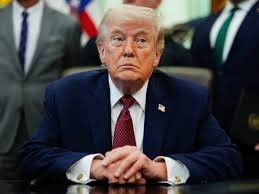
Donald Trump has expressed dissatisfaction with a new Iranian proposal aimed at ending the two-month conflict between the United States and Iran, according to a US official, dimming prospects for a diplomatic breakthrough as the war continues to disrupt global energy supplies.
The Iranian proposal reportedly suggests deferring discussions on Tehran’s nuclear programme until hostilities end and disputes over maritime shipping in the Strait of Hormuz are resolved. However, US officials said Washington insists that nuclear issues must be addressed from the outset.
A White House spokesperson said the administration would not “negotiate through the press” but reiterated that US “red lines” remain unchanged as the Trump administration continues its military campaign against Iran, launched earlier this year alongside Israel.
The diplomatic impasse follows the cancellation of a planned visit to Islamabad by US envoy Steve Witkoff and adviser Jared Kushner, amid ongoing shuttle diplomacy by Iranian Foreign Minister Abbas Araghchi, who has recently visited Oman, Pakistan, and Russia for consultations.
Araghchi also met Vladimir Putin, receiving public backing from Moscow, which has called for a diplomatic resolution to the conflict.
Oil prices resumed their upward trend as concerns over supply disruptions intensified, with analysts saying physical crude flows through the Strait of Hormuz remain severely restricted. Market observers noted that traders are now focused on actual shipments rather than diplomatic statements.
Shipping data indicates that at least six Iran-linked tankers have been forced back by US enforcement actions in recent days, while Tehran has condemned the seizures as “piracy” and “armed robbery on the high seas.”
Before the conflict, between 125 and 140 vessels passed through the strait daily, but recent tracking data shows only a fraction of that traffic remains active, with no reported shipments of oil bound for global markets.
Iranian officials have accused Washington of escalating tensions while insisting that earlier nuclear agreements collapsed after the US withdrawal during Trump’s first term.
As the war continues, Trump faces mounting domestic pressure amid rising oil prices, inflation concerns, and uncertainty over the trajectory of the conflict.