
Close Menu

    Subscribe to Updates

    Get the latest creative news from FooBar about art, design and business.

    What's Hot

    Is the Middle East Again on the Brink of War?

    May 9, 2026

    Abbas Claims Three Wickets as Rahim Steadies Bangladesh in Dhaka Test

    May 9, 2026

    Frontier Airlines Flight Aborts Takeoff After Striking Pedestrian at Denver Airport

    May 9, 2026
    Facebook X (Twitter) Instagram
    Trending
    • Is the Middle East Again on the Brink of War?
    • Abbas Claims Three Wickets as Rahim Steadies Bangladesh in Dhaka Test
    • Frontier Airlines Flight Aborts Takeoff After Striking Pedestrian at Denver Airport
    • Pakistan, Bangladesh Sign Anti-Narcotics Pact to Boost Security Cooperation
    • Senior Sri Lankan Buddhist Monk Arrested in Child Abuse Case
    • CIA Report Says Iran Could Endure Naval Blockade for Four Months as Gulf Tensions Escalate
    • Punjab Considers Early Summer Vacations for Schools Amid Rising Heat
    • Ishaq Dar Seeks Singapore’s Help for Repatriation of Pakistanis on US-Seized Vessels
    Facebook X (Twitter) Instagram
    echoasianews.com
    • Home
      • Fact Check
      • War Updates
    • World News
    • Local News
    • Opinion
    • Business
    • Entertainment
    • Sports
    • Politics
    • Technology
    echoasianews.com
    Home»Opinion»War Tensions and the Fragile Economy of Pakistan
    Opinion

    War Tensions and the Fragile Economy of Pakistan

    Sonia NisarBy Sonia NisarMay 6, 2026No Comments3 Mins Read
    Facebook Twitter Pinterest LinkedIn WhatsApp Reddit Tumblr Email
    Share
    Facebook Twitter LinkedIn Pinterest Email

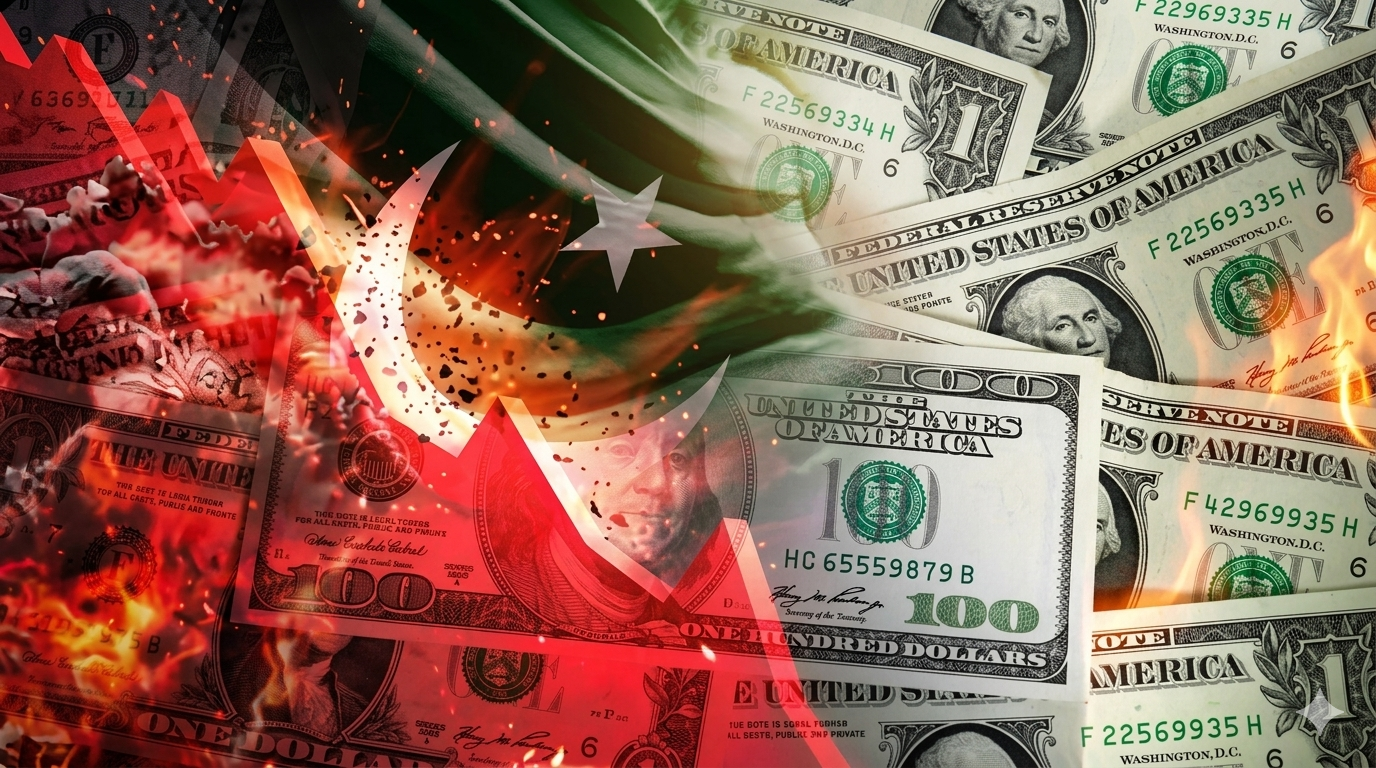
    In recent months, rising geopolitical tensions in the Middle East have created uncertainty in the global economy. For countries with strong economic resilience, such shocks may be manageable. However, for a developing country like Pakistan, which is already struggling with inflation, fiscal deficits, and external debt, the economic consequences of regional conflicts can be significant.

    One of the most immediate impacts of war in the Middle East is the increase in global oil prices. Pakistan relies heavily on imported oil to meet its energy needs, and a large portion of this oil passes through the Strait of Hormuz, a critical route that becomes vulnerable during regional conflicts. When oil prices rise, the cost of fuel, electricity generation, and transportation increases. This, in turn, raises the cost of production for industries and leads to higher prices for consumers.

    Higher energy prices quickly translate into inflation. Pakistan has already experienced high inflation over the past few years, and further increases in fuel prices could intensify the cost-of-living crisis. Food prices, transport fares, and basic household expenses are likely to increase, placing additional pressure on middle- and lower-income households. For many citizens, this means reduced purchasing power and declining living standards. Another concern is the pressure on Pakistan’s external sector.

     The country depends heavily on remittances from workers in Gulf countries such as Saudi Arabia and United Arab Emirates. If regional conflicts disrupt economic activity in these countries, remittance flows to Pakistan could slow down. At the same time, higher import bills for oil and other commodities could widen the current account deficit and weaken the Pakistani rupee.

    Investment and business confidence are also affected by global uncertainty. Foreign investors tend to avoid markets that are perceived as risky during periods of geopolitical tension. As a result, Pakistan may experience a decline in foreign direct investment and increased volatility in financial markets. This could slow economic growth and make it more difficult for the government to stabilize the economy.

    Furthermore, regional tensions often force governments to increase defence spending. While national security is important, higher military expenditures can divert public resources away from development sectors such as education, health, and infrastructure. For an economy already facing fiscal constraints, this creates additional challenges for long-term economic development.

    In conclusion, regional wars do not only affect the countries directly involved in conflict; they also create economic ripple effects across the world. For Pakistan, the main risks include rising oil prices, higher inflation, pressure on the external account, and declining investment. At a time when the country is attempting to stabilize its economy and pursue economic reforms, these external shocks present serious challenges.

    To mitigate these risks, Pakistan must focus on strengthening economic resilience through energy diversification, improved fiscal management, and policies that encourage investment and sustainable growth. Only through structural reforms and prudent economic planning can the country protect its economy from the uncertainties of global conflicts.

    Disclaimer: The views and opinions expressed in this article are solely those of the author and do not necessarily reflect the views, policies, or position of this website. The website does not endorse or oppose any opinion presented herein.

    Share this:

    • Share on Facebook (Opens in new window) Facebook
    • Share on X (Opens in new window) X

    Like this:

    Like Loading…
    inflation in Pakistan Middle East tensions Oil Prices Pakistan Economy Strait of Hormuz
    Share. Facebook Twitter Pinterest LinkedIn Tumblr Telegram Email
    Sonia Nisar

    Sonia Nisar holds an MS in Economics and is currently pursuing her PhD at IM Sciences, Peshawar. She is a Lecturer at Abasyn University, Peshawar, with academic interests in economics and related policy issues.

    Related Posts

    Is the Middle East Again on the Brink of War?

    May 9, 2026

    CIA Report Says Iran Could Endure Naval Blockade for Four Months as Gulf Tensions Escalate

    May 9, 2026

    US and Iran Exchange Fire in Biggest Test of Fragile Ceasefire

    May 8, 2026
    Leave A Reply Cancel Reply

    Don't Miss
    Opinion
    Opinion

    Is the Middle East Again on the Brink of War?

    By Nazish MehmoodMay 9, 202607 Mins Read

    The Middle East has now plunged back into a state of dangerous uncertainty with reports…

    Share this:

    • Share on Facebook (Opens in new window) Facebook
    • Share on X (Opens in new window) X

    Like this:

    Like Loading…

    Abbas Claims Three Wickets as Rahim Steadies Bangladesh in Dhaka Test

    May 9, 2026

    Frontier Airlines Flight Aborts Takeoff After Striking Pedestrian at Denver Airport

    May 9, 2026

    Pakistan, Bangladesh Sign Anti-Narcotics Pact to Boost Security Cooperation

    May 9, 2026

    Subscribe to Updates

    Get the latest news from echoasianews.

    Stay In Touch
    • Facebook
    • Twitter
    • Instagram
    • WhatsApp
    About Us
    About Us

    We cover a wide range of topics including World News, Business & Economy, Crypto, Entertainment, Politics, Sports, and Technology, ensuring our audience stays informed about both regional and international developments.
    We're accepting new partnerships right now.

    Email Us: social@echoasianews.com

    Facebook X (Twitter) Pinterest YouTube WhatsApp
    Our Picks

    Is the Middle East Again on the Brink of War?

    May 9, 2026

    Abbas Claims Three Wickets as Rahim Steadies Bangladesh in Dhaka Test

    May 9, 2026

    Frontier Airlines Flight Aborts Takeoff After Striking Pedestrian at Denver Airport

    May 9, 2026
    Categories
    • Blog
    • Business & Economy
    • Entertainment
    • Fact Check
    • Local News
    • Opinion
    • Politics
    • Sports
    • Technology
    • War Updates
    • World News
    Meet Our Team
    • Editorial Board
    © 2026 . All Rights Reserved EchoAsiaNews.

    Type above and press Enter to search. Press Esc to cancel.

    %d