

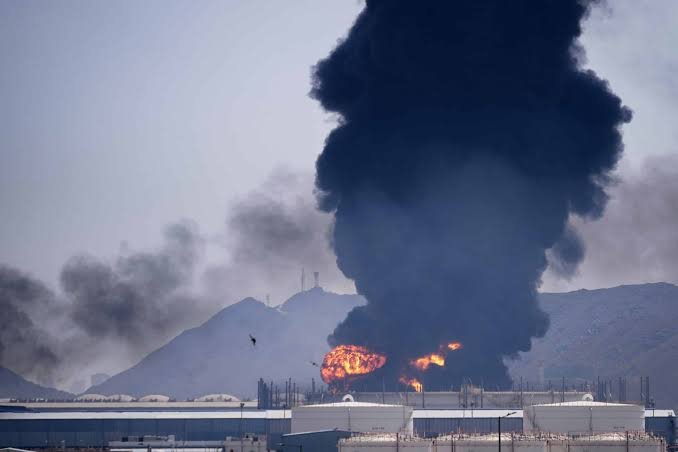
WASHINGTON/TEHRAN: The United States launched a fresh wave of military strikes against Iran on Tuesday, targeting more than 80 sites, including over 60 vessels belonging to the Islamic Revolutionary Guard Corps (IRGC), after three commercial tankers were reportedly hit by projectiles in the Strait of Hormuz. The attacks have placed renewed pressure on the fragile US-Iran ceasefire reached last month.
US Central Command (CENTCOM) said the operation targeted Iranian air defence systems, coastal surveillance facilities, anti-ship cruise missiles, surface-to-air missile systems and drone launch sites. According to CENTCOM, the strikes were aimed at imposing “heavy costs” on Iran following attacks on commercial shipping.
“The unwarranted aggression by Iranian forces is a clear and dangerous violation of the ceasefire and undermines freedom of navigation,” CENTCOM said in a statement.
How Has Iran Responded?
Iran’s Khatam al-Anbiya Central Headquarters condemned the operation as a “blatant act of aggression,” warning that Tehran would deliver a “crushing response” and would not permit US interference in the management of the Strait of Hormuz.
Iranian media reported explosions early Wednesday in Kharg Island, Qeshm Island, Sirik and Bandar Abbas. While no civilian deaths were reported, several people were injured after an alleged projectile struck a commercial pier in Sirik. Fishing boats and port facilities were also reportedly damaged.
A US official told Reuters that the strikes primarily targeted Iranian military infrastructure, including air defence systems, anti-ship missile batteries, coastal surveillance assets and drone launch sites. CENTCOM did not confirm strikes on Kharg Island, Iran’s main oil export terminal.
What Economic Pressure Has Washington Applied?
Alongside the military operation, Washington revoked a temporary licence that had allowed Iran to export crude oil and petroleum products under the interim ceasefire arrangement. The licence, originally valid until August 21, will now expire on July 17, requiring all related transactions to be wound down.
Iran’s Foreign Ministry denounced the move as a violation of the ceasefire framework and warned that Tehran would take “any measure necessary” to safeguard its national interests and security.
What Happened in the Strait of Hormuz?
Maritime tensions intensified after Qatar accused Iran of attacking commercial vessels transiting the Strait of Hormuz. A Qatari liquefied natural gas tanker reportedly caught fire after being struck by a drone, while a Saudi-flagged crude oil tanker was also damaged off the coast of Oman.
Qatar summoned Iran’s deputy ambassador and lodged a formal diplomatic protest.
Iran rejected the allegations, calling Qatar’s accusations “perplexing” and insisting it remained committed to the ceasefire while arguing that commercial vessels should coordinate transit routes with Iranian authorities.
What Does This Mean for the Ceasefire?
The latest escalation threatens the ceasefire reached after months of conflict between the United States, Israel and Iran. Indirect negotiations held in Qatar last week failed to produce progress toward a permanent settlement.
US President Donald Trump reiterated Washington’s willingness to resume broader military operations if diplomacy fails, stating that the United States could rapidly target Iran’s infrastructure should negotiations collapse.
Iranian Foreign Minister Abbas Araghchi responded that negotiations on a permanent agreement would not proceed while military threats against Iran continue, casting further doubt over prospects for a lasting peace.