

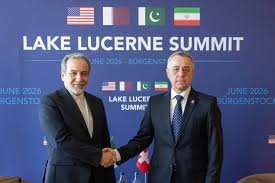
BUERGENSTOCK, Switzerland: The first round of high-level negotiations between the United States and Iran concluded on Monday in Switzerland, with mediators announcing that both sides had agreed on a roadmap aimed at reaching a comprehensive agreement within 60 days.
In a joint statement, mediators Pakistan and Qatar said technical discussions would continue throughout the week at the Swiss resort of Buergenstock, where officials from both countries met following weeks of regional tensions and a fragile ceasefire arrangement.
The statement said the parties had established a framework for ensuring freedom of navigation through the Strait of Hormuz and agreed on mechanisms intended to reduce hostilities in Lebanon.
The talks were led by US Vice President JD Vance and senior Iranian officials under the terms of a memorandum of understanding reached last week, which extended a temporary ceasefire for another 60 days.
Iranian Foreign Minister Abbas Araghchi said Tehran had secured commitments including waivers for oil and petrochemical exports, the release of some frozen Iranian assets, and the launch of a reconstruction and development initiative.
The negotiations unfolded amid renewed tensions after Iran announced it had once again restricted maritime traffic through the Strait of Hormuz, citing continued fighting in Lebanon and accusing Washington of failing to uphold commitments to halt regional hostilities.
US President Donald Trump reiterated warnings against any attempt to close the strategic waterway, reportedly telling Iranian officials they would risk severe consequences if shipping through the strait was disrupted. Trump also renewed threats of military action should Iran fail to restrain allied groups operating in the region.
Despite conflicting reports about the atmosphere inside the negotiations, both sides confirmed discussions continued late into the night. Iranian media reported that Tehran’s delegation objected to Trump’s public remarks, while US officials insisted talks remained active and constructive.
According to diplomats familiar with the discussions, negotiators addressed a range of issues, including maritime security, Lebanon, Iran’s nuclear programme, implementation of the memorandum of understanding, and mechanisms to prevent future escalation.
The Strait of Hormuz remains a critical artery for global energy supplies, and its closure over recent months triggered significant disruptions in international oil markets. Following news of progress in Switzerland, Brent crude futures fell by more than one dollar to $79.44 per barrel, reflecting investor optimism over reduced regional risks.
Meanwhile, violence in Lebanon appeared to ease following a ceasefire announcement last week. Although sporadic clashes continued, Sunday was among the quietest days in months, with reports indicating that some displaced civilians had begun returning to their homes in southern Lebanon.
More than one million people have been displaced since Israel launched military operations against Hezbollah in March, following cross-border attacks linked to the broader regional conflict involving Iran and its allies.
While mediators described the talks as a significant step forward, major differences remain unresolved. Negotiators are expected to continue technical consultations in the coming days as efforts intensify to secure a broader agreement covering regional security, maritime access, and Iran’s nuclear activities.