

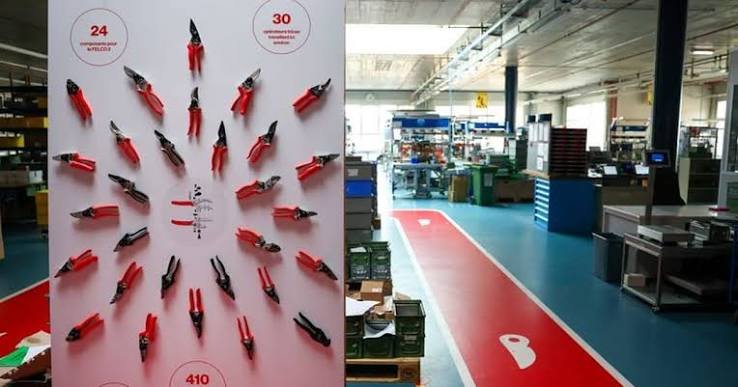
Swiss garden and agricultural shears manufacturer Felco has proposed a new insurance-style mechanism aimed at protecting Swiss exporters from the long-term appreciation of the Swiss franc, arguing that the country’s strong currency is steadily eroding the competitiveness of domestic manufacturers. The proposal, known as the Swiss Export Shield, is being promoted to politicians and industry groups as a market-based solution to cushion exporters against sharp currency movements.
Felco, which exports around 95% of its products to international markets—including customers such as Britain’s King Charles and former US First Lady Michelle Obama—said the appreciation of the franc continues to reduce profit margins because revenues are largely earned in euros and US dollars while production costs remain denominated in Swiss francs.
How Would the Swiss Export Shield Work?
Under the proposed scheme, participating companies would contribute to a common fund that would compensate exporters whenever the Swiss franc appreciates beyond an agreed range against major currencies such as the euro or the US dollar. By pooling currency risks, the mechanism is intended to provide more affordable protection than conventional financial hedging instruments such as forward contracts and currency options offered by commercial banks.
Felco Chief Executive Nabil Francis compared the proposal to an airbag, saying it would cushion exporters against sudden currency shocks while giving businesses time to adjust their operations instead of immediately absorbing financial losses.
Why Is the Strong Swiss Franc a Major Challenge?
The Swiss franc has long been regarded as a global safe-haven currency due to Switzerland’s political stability, strong public finances, low inflation and resilient economy. While this benefits investors, it makes Swiss exports more expensive in international markets.
According to government data, goods exports account for roughly 60% of Switzerland’s gross domestic product (GDP). Over the past two decades, the franc has appreciated by nearly 3% annually against the euro and by about 2.2% annually against the US dollar, placing sustained pressure on export-oriented industries despite a slower pace of appreciation this year.
Industry association Swissmem estimates that nearly all Swiss manufacturers have been affected by the strong currency, with almost half reporting a significant impact on their business operations.
Why Are Smaller Companies More Vulnerable?
Felco argues that small and medium-sized enterprises (SMEs), which account for approximately 99% of Swiss businesses, are particularly exposed because they lack the flexibility enjoyed by larger multinational companies. Major corporations can offset currency risks by producing abroad or matching foreign-currency revenues with foreign-currency operating costs, whereas smaller manufacturers typically produce domestically and bear costs almost entirely in Swiss francs.
Although companies can increase export prices to offset exchange-rate losses, doing so risks reducing their competitiveness in international markets while lower profit margins may also discourage investment and innovation.
Will the Government Support the Proposal?
Felco said the proposed fund would operate independently and would not rely on direct government subsidies. However, it suggested that government backing could help the fund obtain lower borrowing costs by leveraging Switzerland’s AAA sovereign credit rating.
The Swiss government and the Swiss National Bank (SNB) have not endorsed the proposal and declined to comment. The SNB has previously intervened in foreign exchange markets to limit excessive appreciation of the franc, although it abandoned its currency cap in 2015 after determining that maintaining it had become too costly.
Support for the Swiss Export Shield remains under discussion, with some lawmakers expressing interest while others remain sceptical about its feasibility and long-term effectiveness.