

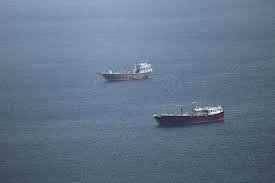
Global oil and gas shipping costs have soared to record levels as the US-Iran conflict escalates, with Iran targeting vessels passing through the Strait of Hormuz, a crucial chokepoint that carries about one-fifth of the world’s oil and significant liquefied natural gas (LNG) volumes. Shipping through the Strait has nearly halted after multiple ships were hit in Iranian retaliation for US and Israeli strikes that killed Iran’s Supreme Leader, Ayatollah Ali Khamenei, over the weekend, according to shipping data and industry sources.
The benchmark freight rate for very large crude carriers (VLCCs) transporting 2 million barrels of Middle Eastern crude to China, known as TD3, hit an all-time high of W419 ($423,736 per day) on Monday, doubling from Friday and extending gains from a six-year high. LNG shipping rates also surged, with Atlantic rates rising 43% to $61,500 per day and Pacific rates up 45% to $41,000 per day, following production halts in Qatar. Analysts warn rates could exceed $100,000 per day as vessel availability remains constrained amid ongoing supply backlogs and safety concerns.
Iran has declared the Strait of Hormuz closed and threatened to fire on any ship attempting to pass, though the US Central Command has stated the Strait remains open. Many shipowners have suspended operations indefinitely, while shipping firms like Hyundai Glovis are preparing contingency plans, including alternative routes. South Korea’s maritime ministry has advised its shippers to refrain from operations in the region and is holding high-level discussions on safety measures. The disruption has driven Brent crude prices up nearly 10% this week, reflecting fears of prolonged closures and widespread shutdowns at oil and gas facilities across the Middle East.