

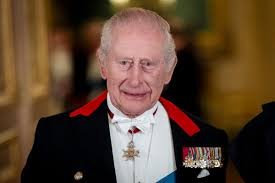
The British monarch, King Charles III, is facing renewed political scrutiny in Scotland after the Scottish Greens signaled plans to challenge long-standing tax privileges enjoyed by the monarchy.
The proposal comes as the King prepares for a state visit to the United States in late April, with the Scottish Greens indicating they will bring forward a motion aimed at removing tax exemptions currently associated with Crown transactions in Scotland.
The party’s co-leader Ross Greer has led the campaign, arguing that exemptions such as those related to Land and Buildings Transaction Tax (LBTT)—Scotland’s equivalent of stamp duty, should be abolished. Under existing arrangements, most property buyers in Scotland are required to pay LBTT, while Crown-related transactions remain exempt due to constitutional and legal conventions.
Greer criticized the exemptions as unjust, stating that they allow wealthy institutions to avoid taxation at a time when households are facing rising living costs. He argued that public policy should ensure that all entities, regardless of status, contribute fairly to the tax system.
He further contended that the monarchy benefits from privileges that are difficult to justify in the current economic climate, pointing to the King’s personal wealth and landholdings in Scotland as part of the broader debate over royal finances.
The proposal has drawn criticism from opposition figures. Murdo Fraser, a Scottish Conservative candidate, dismissed the initiative as politically motivated and lacking seriousness, describing it as symbolic rather than substantive policymaking.
In response to ongoing scrutiny of royal finances, the royal communications office has reiterated that the King does contribute to taxation through personal income declared from the Duchy of Lancaster, which is included in his annual tax returns.
The debate highlights continuing tensions within UK political discourse over the constitutional status of the monarchy, public accountability, and the balance between tradition and modern fiscal expectations.