

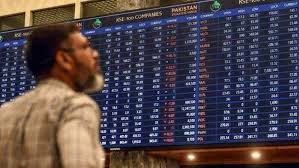
The Pakistan Stock Exchange resumed its sharp downward trend on Monday, February 23, 2026, as geopolitical risk and technical market dynamics pressured investor sentiment. The KSE‑100 Index swung sharply during the session, rising early but ultimately falling to an intraday low of 169,071.03, a drop of 4,098.68 points, or ‑2.31 percent, from the previous close of 173,169.71. This marked a continuation of the broader sell‑off that has seen the benchmark lose more than 6,000 points over recent sessions as global risk aversion has intensified.
Market participants attributed the renewed decline largely to escalating tensions between the United States and Iran, which have fuelled a flight from risk assets and heightened volatility across emerging markets. Traders remained cautious as U.S. political leadership signalled a potential decision on military options against Iran in the coming weeks if nuclear negotiations fail, and roll‑over activity in futures contracts further dampened liquidity and exacerbated intraday swings.
The selling pressure was broad based, with major sectors including oil and gas exploration companies, commercial banks, cement, and power stocks trading in the red, reflecting a risk‑off mood that gripped the session. Analysts noted that the absence of positive near‑term catalysts was compounding bearish sentiment, leaving the market without clear drivers for recovery while geopolitical uncertainty remains elevated.
Despite the equity market volatility, some macroeconomic indicators showed mixed developments: foreign investors’ profit and dividend repatriation rose modestly in the first seven months of fiscal year 2026, and Pakistan recorded a current account surplus of $121 million in January. However, the broader external account still posted a significant cumulative deficit for the period, underscoring persistent balance‑of‑payments pressures underlying the financial backdrop.
In sum, the PSX’s slide on Monday reflects heightened geopolitical risk and fading risk appetite among investors, with technical factors such as contract roll‑overs and a lack of fresh positive catalysts exacerbating declines even amid some supportive macro data.