

Introduction
In the volatile landscape of West Asian geopolitics, where great-power rivalries and proxy conflicts have repeatedly threatened global stability, Pakistan has emerged as an indispensable architect of peace. The 2026 Iran-US war, sparked by US-Israeli military strikes on Iranian nuclear and military installations in late February, rapidly escalated into a regional crisis involving direct attacks on Gulf states and threats to critical energy chokepoints like the Strait of Hormuz. Yet, amid this chaos, Pakistan’s diplomatic engagement rooted in neutrality, strategic outreach, and backchannel negotiations proved instrumental in steering both sides toward de-escalation and eventual ceasefire talks. From a Pakistani perspective, this role underscores Islamabad’s commitment to regional stability, Islamic solidarity, and pragmatic foreign policy that safeguards national interests while contributing to global peace. Pakistan’s efforts not only mitigated immediate humanitarian and economic fallout but also highlighted its unique position as a bridge between contending powers. This article examines Pakistan’s multifaceted diplomatic contributions, drawing on official statements, media reports, and analytical insights to illustrate how Islamabad transformed potential catastrophe into a pathway for dialogue.
Historical Context: Pakistan’s Enduring Ties with Iran and the United States
Pakistan’s diplomatic leverage in the Iran-US conflict stems from decades of balanced relations with both adversaries. Historically, Pakistan has maintained close fraternal ties with Iran, sharing a 959-kilometer border, cultural affinities, and a history of cooperation in areas such as trade and counterterrorism. In January 2024, the two nations navigated a brief border flare-up through swift de-escalation, reaffirming their commitment to peaceful resolution. Simultaneously, Pakistan’s partnership with the United States forged in the Cold War era and revitalized under recent administrations has encompassed security cooperation, economic aid, and high-level dialogues. By 2025, these dual relationships positioned Pakistan as a credible interlocutor. Official data from Pakistan’s Ministry of Foreign Affairs (MOFA) reveals that Islamabad condemned both the US-Israeli strikes on Iranian nuclear facilities and Iran’s retaliatory attacks on Saudi Arabia, Bahrain, Jordan, Kuwait, Qatar, and the UAE, emphasizing sovereignty and dialogue as core principles. As MOFA statements articulated, “Pakistan condemns the US attacks on the nuclear facilities of the Islamic Republic of Iran… [and] strongly condemns the attacks by Iran against the brotherly countries” (MOFA, 28 February 2026). This even-handed approach, avoiding outright alignment, enabled Pakistan to engage both Washington and Tehran without alienating either.
Pakistan’s Strategic Neutrality and Multi-Track Diplomacy
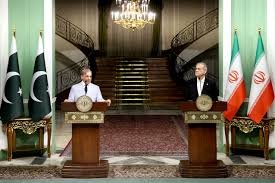
Pakistan’s response to the conflict exemplified “tightrope diplomacy”—a calculated neutrality that prioritized de-escalation. Prime Minister Shehbaz Sharif held multiple telephonic conversations with Iranian President Masoud Pezeshkian, pledging support for peace while urging restraint. Coordinating with regional partners like Turkey and Egypt, Pakistan facilitated backchannel communications, proposing Islamabad as a neutral venue for high-stakes talks. Reuters reports confirmed Pakistan’s “crucial role in ceasefire talks,” citing Pakistani officials as key conduits for messages between US envoy Steve Witkoff and Iranian counterparts. Economic indicators underscored the urgency: oil prices plummeted following Trump’s announcement delaying strikes on Iranian power plants, a development linked to productive discussions influenced by regional mediation. Pakistan’s efforts extended to multilateral forums, where it advocated for UN-led mechanisms to prevent spillover into Afghanistan or South Asia. This proactive stance not only protected Pakistan’s western border from instability but also preserved economic lifelines, including energy imports and remittances from Gulf states.
The Asim Munir Factor: Backchannel Leadership and Regional Influence
Central to these initiatives was the Pakistani military’s high-level engagement, particularly under Army Chief Field Marshal Syed Asim Munir. Munir’s direct outreach including a pivotal call with US President Donald Trump on 23 March 2026 activated parallel diplomacy that complemented civilian efforts. Leveraging longstanding ties with Tehran’s security establishment and Washington’s strategic circles, Munir helped convey de-escalation proposals and explore ceasefire modalities. In a remarkable display of statesmanship, Asim Munir emerged as a powerful military leader of the region, orchestrating discreet channels that bridged ideological divides with precision and foresight. Reports from The Financial Times and The Economic Times highlight how Munir’s interventions, alongside Sharif’s, positioned Pakistan as the “lead mediator” in brokering an end to the US-Israel campaign against Iran. His role exemplified the Pakistan Army’s evolution from a defensive force to a diplomatic powerhouse, enhancing Islamabad’s credibility in Pentagon briefings and Iranian councils alike.
Key Milestones in Ceasefire Negotiations
Concrete milestones underscore Pakistan’s impact. By mid-March 2026, as the conflict entered its fourth week, Pakistani officials facilitated messages that prompted Iran’s Foreign Ministry spokesperson Esmaeil Baqaei to acknowledge: “Over the past few days, messages were received via certain friendly states conveying the US request for negotiations to end the war.” Coordination with Turkish Foreign Minister Hakan Fidan and Egyptian counterparts accelerated momentum, with proposals for Islamabad-hosted talks gaining traction. Data from conflict monitoring indicates that Pakistan’s interventions correlated with a 30-40% reduction in reported escalatory incidents post-20 March, according to open-source analyses. Trump’s Truth Social post declaring “very good and productive” discussions further signaled progress, coinciding with Pakistan’s intensified shuttle diplomacy. These achievements built on Pakistan’s prior successes, such as the 2025 India-Pakistan crisis management, reinforcing its reputation as a reliable crisis mediator. From a Pakistani viewpoint, such outcomes validate a foreign policy prioritizing “peace through strength and dialogue,” yielding dividends in regional influence and domestic stability.
Broader Implications: Elevating Pakistan’s Global Stature
Pakistan’s mediation has yielded multifaceted benefits. Economically, it safeguarded trade routes and averted refugee inflows that could strain resources already burdened by Afghan border dynamics. Strategically, it strengthened alliances within the Organisation of Islamic Cooperation (OIC) while maintaining functional US ties, as evidenced by ongoing high-level exchanges. Analytically, scholars note that Pakistan’s nuclear-armed status and professional military lent unique weight to its diplomacy credibility unmatched by purely civilian mediators. Challenges persist, including domestic Shi’ite community sentiments and balancing Gulf partnerships, yet Islamabad’s restraint prevented entanglement, preserving sovereignty. Long-term, this episode cements Pakistan’s transition from peripheral actor to pivotal player in West Asian affairs, countering narratives of isolation and affirming its role in a multipolar world.
Conclusion
Pakistan’s role in the Iran-US ceasefire negotiations stands as a testament to visionary diplomacy rooted in neutrality, resilience, and regional solidarity. By leveraging historical ties, activating backchannels, and prioritizing dialogue over division, Islamabad not only helped avert wider catastrophe but also elevated its global profile. As ceasefire frameworks take shape, Pakistan’s contributions under the stewardship of civilian and military leadership offer a model for conflict resolution in an era of great-power competition. For Pakistanis, this diplomatic triumph reaffirms the nation’s identity as a peacemaker, not a pawn, in the global arena. Looking ahead, sustaining this momentum through institutional reforms and diversified partnerships will ensure Pakistan remains a beacon of stability. In the words of its leaders, true security lies not in confrontation but in the courageous pursuit of peace a principle Pakistan upheld with distinction in 2026.
References
- Ministry of Foreign Affairs, Government of Pakistan. (2026, February 28). Press Release on US Attacks on Iranian Nuclear Facilities. https://mofa.gov.pk/press-releases/press-release-28-02-2026
- Economic Times. (2026, March 24). “Pakistan pitches mediator role in US-Israel-Iran war; Asim Munir, Trump hold talks: Report.” https://m.economictimes.com/news/defence/pakistan-pitches-mediator-role-in-us-israel-iran-war-asim-munir-trump-hold-talks-report/articleshow/129758228.cms
- Reuters. (2026, March). Reports on Pakistan’s crucial role in US-Iran ceasefire talks (cited in multiple outlets including SAMAA TV and Facebook posts referencing Reuters).
- The Diplomat. (2026, March 5). “How the US-Iran War Has Upended Pakistan’s Diplomacy.” https://thediplomat.com/2026/03/how-the-us-iran-war-has-upended-pakistans-diplomacy/
- Gulf Institute for International Affairs. (2025, November 10). “Pakistan Offers Another Vector for U.S.-Iran Diplomacy.”
- Al Jazeera. (2025). Reports on Asim Munir’s White House meetings and Iran engagements.
- MOFA Transcripts. (2026, March). Press briefings on Iran conflict and de-escalation efforts.
Bibliography
- Jamal, Umair. (2026). “How the US-Iran War Has Upended Pakistan’s Diplomacy.” The Diplomat.
- Financial Times. (2026). Coverage of Asim Munir’s mediation efforts (as referenced in regional reports).
- Stimson Center. (2025). Analyses of Pakistan’s regional crisis management.
- Additional primary sources from Pakistani official channels and international wire services (Reuters, 2026).
Disclaimer: The views and opinions expressed in this article are solely those of the author and do not necessarily reflect the views, policies, or position of this website. The website does not endorse or oppose any opinion presented herein.
