

Opposition Leader in the National Assembly Mahmood Khan Achakzai on Tuesday proposed the formation of a “national government” to build political consensus amid ongoing regional tensions linked to the Iran situation.
Participating in a parliamentary debate, Achakzai said the country’s political forces must agree on core issues, arguing that the post-election political arrangement had “collapsed” and that governance required “collective wisdom.” He also urged space for political dialogue, warning against efforts to sideline political actors, while asserting that the establishment had failed to weaken PTI founder Imran Khan. He further cautioned that resistance would follow any such attempts.
Criticising foreign policy dynamics, Achakzai said external actors were contributing to global instability and noted that Pakistan should leverage its trusted relations with the United States and longstanding regional ties, including with Afghanistan. He also called for uninterrupted parliamentary sessions to ensure broader participation in the debate.
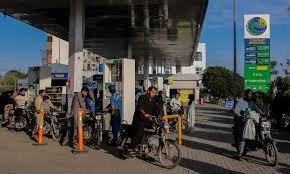
Separately, PPP leader Sharmila Faruqui strongly criticised recent increases in petroleum prices, stating that explanations provided by the government were unconvincing and inconsistent. She highlighted that fuel prices had risen sharply following regional tensions, with petrol and diesel reaching record levels, and questioned the government’s policy direction. Faruqui also pointed to a significant tax component in fuel pricing and urged authorities to reconsider profit margins and adopt a more coherent economic strategy.
Meanwhile, MQM-P lawmaker Javed Hanif called for a comprehensive briefing to the National Assembly by senior government officials and security authorities on the regional situation and its implications for Pakistan. He acknowledged Pakistan’s diplomatic role but warned that contingency planning was necessary in case mediation efforts failed. Hanif also cautioned that escalation in the Middle East could have far-reaching economic consequences for Pakistan, including impacts on remittances, regional stability, and the broader financial system, stressing that strategic concerns outweighed the immediate debate on fuel prices.