

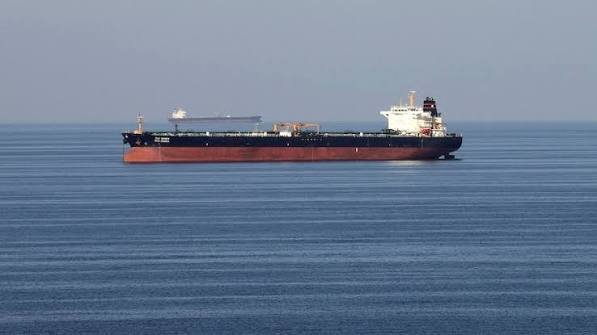
Brent heads for a 6% weekly gain as renewed hostilities between the United States and Iran reignite fears of supply disruptions in the world’s most critical oil transit route.
Global oil prices climbed on Friday and were on track for their strongest weekly gains in weeks after renewed military exchanges between the United States and Iran heightened concerns over energy supplies from the Middle East.
Brent crude futures rose 0.25% to $76.49 per barrel, while US West Texas Intermediate (WTI) crude gained 0.26% to $72.27 per barrel. On a weekly basis, Brent was poised to rise around 6%, with WTI up approximately 5%.
Why are oil prices rising?
The latest gains were driven by fears that escalating hostilities could severely disrupt oil exports through the Strait of Hormuz, the world’s most strategically important energy chokepoint.
The renewed fighting followed Iranian attacks on US military infrastructure in Gulf states in retaliation for recent US strikes on Iranian territory. At the same time, Iranian media reported explosions in southern Iran, including near Bushehr, home to one of the country’s nuclear facilities.
These developments have significantly delayed the reopening of the Strait of Hormuz, through which roughly 20% of global oil and liquefied natural gas (LNG) supplies normally pass.
Shipping through Hormuz nearly halted
According to ship-tracking data, tanker traffic through the Strait of Hormuz was close to a standstill on Thursday as shipping companies reassessed security risks.
The disruption intensified after Iran targeted a Qatari LNG vessel exiting the strait near Oman, raising concerns among shipowners about the safety of commercial navigation.
Analysts say the slowdown in maritime traffic has injected a substantial geopolitical risk premium into global oil markets.
Markets balance conflict with diplomacy hopes
Despite the military escalation, analysts believe expectations that Washington and Tehran could eventually return to negotiations are preventing oil prices from rising even further.
Vanda Insights founder Vandana Hari said markets continue to price in a significant risk premium because Hormuz traffic remains severely disrupted, although optimism about renewed diplomacy is limiting further gains.
ANZ senior commodity strategist Daniel Hynes also noted that investors found some reassurance in the US decision not to target Iran’s energy infrastructure, reducing fears of immediate damage to oil production facilities.
Trump downplays risk of wider war
US President Donald Trump sought to calm markets by stating that he does not expect the latest fighting to escalate into a broader conflict, expressing confidence that any renewed hostilities would end quickly.
His remarks, coupled with Washington’s restraint in avoiding direct strikes on Iran’s oil infrastructure, helped moderate market concerns despite the deteriorating security situation.
Why it matters
The Strait of Hormuz remains the world’s most critical energy corridor, and any prolonged disruption threatens global oil supplies, shipping costs, inflation, and energy security. While markets are currently reacting to supply risks, further military escalation, or attacks on oil infrastructure, could trigger significantly higher crude prices in the coming days.