

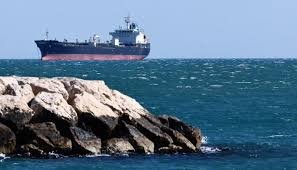
Global oil prices surged nearly 3% in early trading on Monday after stalled negotiations between the United States and Iran heightened fears of disruption in the Strait of Hormuz, a key global energy shipping route.
Brent crude rose 2.8% to $104.06 per barrel, while US West Texas Intermediate crude gained 2.7% to reach $97.97 per barrel, reflecting growing market concerns over prolonged instability in the Gulf region.
The gains followed comments by US President Donald Trump, who on Sunday rejected Iran’s response to a US-backed peace proposal, describing Tehran’s demands as “totally unacceptable.”
According to reports, Iran’s proposal included calls for an end to hostilities across the region, sanctions relief, reparations, and recognition of its position regarding the Strait of Hormuz.
Market analysts said concerns over energy supply disruptions continue to drive volatility, particularly as tensions in the Middle East enter their eleventh week.
Bruce Kasman, global head of economics at JPMorgan, said energy prices had become a growing economic headwind, warning that risks to global markets could intensify if disruptions in the Strait of Hormuz persist into June.
The Strait of Hormuz is considered one of the world’s most critical oil transit chokepoints, handling a significant share of global crude exports.
In broader financial markets, the US dollar strengthened against major currencies, including the Japanese yen, as investors shifted toward safer assets amid geopolitical uncertainty. The euro edged lower in Asian trading.
Equity futures also declined as investors remained cautious ahead of a week of earnings reports from major technology and retail companies.
Attention is also focused on President Trump’s upcoming visit to China, where he is expected to meet Chinese President Xi Jinping for discussions on trade, Taiwan, artificial intelligence, and regional security issues.
Meanwhile, gold prices eased slightly despite ongoing geopolitical tensions, indicating limited demand for traditional safe-haven assets.