

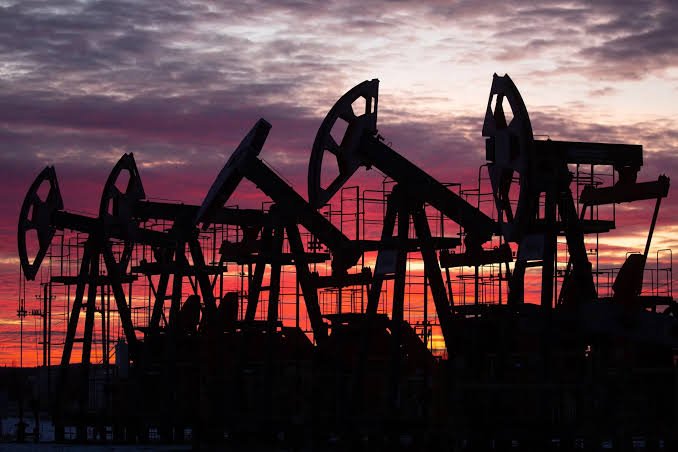
Oil prices edged lower on Tuesday as reports of diplomatic mediation between the United States and Iran eased concerns over continued military exchanges in the Middle East.
Brent crude futures fell 35 cents, or 0.4%, to $88.87 per barrel, while US West Texas Intermediate (WTI) crude for September delivery held steady at $82.47 per barrel. Both benchmarks remained below the more than one-month highs reached during the previous trading session.
Why did prices decline despite continued fighting?
Markets weighed reports that Iran had received a proposal from international mediators for a 10-day ceasefire against another night of military strikes between Washington and Tehran.
Analysts said expectations of possible de-escalation helped limit gains in oil prices despite ongoing conflict.
“Talk of de-escalation and peace talks appears to be capping the upside for the time being,” market analyst Tony Sycamore said.
What are the latest developments in the conflict?
The United States and Iran carried out another round of military strikes on Monday, with US Central Command confirming fresh operations against Iranian targets.
Iran’s Revolutionary Guards also launched attacks on US military assets across the region as tensions continued to escalate.
How are the Houthis affecting energy markets?
Yemen’s Iran-aligned Houthi movement announced plans to impose a naval blockade on Saudi Arabia, raising concerns over disruptions to regional shipping and global energy supplies.
Analysts said any threat to Saudi oil exports could significantly affect international crude markets.
“The threats of a naval blockade on Saudi Arabia by the Houthis are significant because they raise the risk of disruption to another major oil exporter,” said Tim Waterer, Chief Market Analyst at KCM Trade.
What diplomatic efforts are underway?
A senior Iranian official told Reuters that Tehran had received a proposal from mediators for a 10-day ceasefire aimed at preserving an interim agreement reached on June 17 and creating conditions for broader peace negotiations.
The proposal comes as diplomatic efforts continue alongside ongoing military operations.
What are markets watching next?
Investors are also monitoring US inventory data, with a preliminary Reuters survey indicating that US crude oil and gasoline stockpiles likely declined last week, while distillate inventories were expected to increase.
Market participants remain focused on developments in the Middle East, with geopolitical tensions and diplomatic progress expected to remain key drivers of oil prices.