

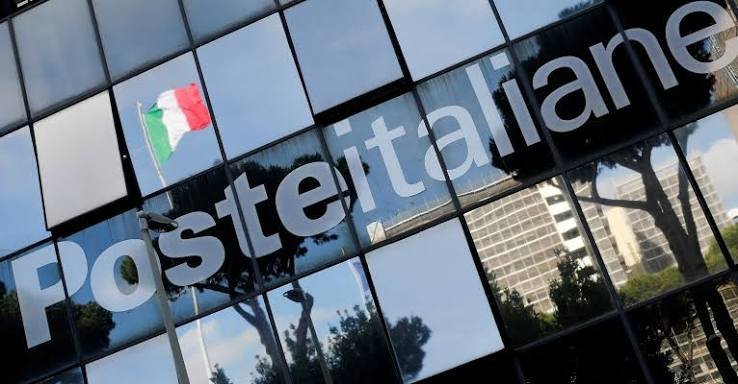
State-backed Poste Italiane seeks to transform into a national AI and cloud infrastructure powerhouse through its proposed acquisition of Telecom Italia (TIM).
MILAN: Italy is positioning its national postal service at the centre of its artificial intelligence ambitions, with state-backed Poste Italiane pursuing a €13.5 billion takeover of Telecom Italia (TIM) as part of a broader strategy to strengthen the country’s digital infrastructure and technological sovereignty.
Why is Italy relying on its postal service?
The Italian government sees Poste Italiane as a trusted national institution capable of leading the country’s next phase of digital transformation. Two-thirds owned by the state, the company has evolved far beyond traditional mail delivery, expanding into banking, insurance, telecommunications and digital public services.
Today, Poste serves around 46 million customers and has enrolled nearly 30 million people into Italy’s digital identity system, while its nationwide network of 12,600 post offices continues to provide access to essential public services, including passport applications and government transactions.
How will the TIM acquisition strengthen AI infrastructure?
The proposed acquisition of Telecom Italia would give Poste access to one of Italy’s largest telecommunications and data infrastructure networks, allowing it to expand cloud computing and AI capabilities nationwide.
According to people familiar with the plans, the enlarged group intends to build distributed computing infrastructure by combining TIM’s existing data centres with telecommunications hubs and former postal sorting centres that could be converted into local edge-computing facilities. Such infrastructure would bring computing power closer to businesses, public institutions and AI applications requiring low-latency processing.
Why is AI infrastructure becoming a national priority?
Italy’s strategy reflects a wider European effort to reduce dependence on major US technology companies and strengthen domestic control over critical digital infrastructure.
The Poste-TIM combination is expected to support the development of sovereign cloud services capable of serving sectors such as public administration, healthcare and defence while also providing infrastructure services to global technology firms.
Industry experts say distributed data centres are becoming increasingly important as demand for AI computing continues to grow.
What challenges does Italy face?
Despite recent progress, Italy still lags behind leading European economies in AI infrastructure.
TIM currently operates about 125 megawatts of installed data-centre capacity, placing it among Italy’s largest operators, but the country’s overall capacity remains only a fraction of Germany’s.
The telecommunications sector also faces significant financial pressures after years of intense competition and underinvestment, making industry consolidation increasingly important for financing advanced 5G and AI-ready cloud networks.
What does the move mean for Europe’s AI ambitions?
The proposed acquisition signals Italy’s determination to become a more significant player in Europe’s rapidly expanding AI ecosystem.
If approved, the deal would transform Poste Italiane from a traditional postal operator into one of Italy’s largest providers of cloud computing, telecommunications and AI infrastructure, reinforcing the country’s efforts to secure digital sovereignty and compete in the global race for artificial intelligence technologies.