

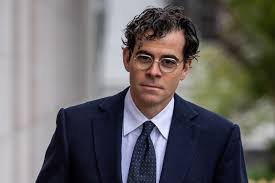
Instagram CEO Adam Mosseri rejected claims that social media can cause clinical addiction as he testified Wednesday in a high-profile California trial over whether platforms like Instagram and YouTube are intentionally addictive to children.
The civil lawsuit centers on a 20-year-old woman, identified as Kaley G.M., who alleges severe mental harm from early exposure to social media. According to the plaintiff, she began using YouTube at age six, joined Instagram at 11, and later moved on to Snapchat and TikTok. The case raises questions about whether tech giants deliberately engineered their platforms to hook young users for profit.
Mosseri, appearing before a six-member jury, said it was important to distinguish between “problematic use” and clinical addiction. “I’m sure I’ve binged a Netflix show late at night, but I don’t think it’s the same thing as clinical addiction,” he stated. He also defended Meta’s approach to safety, arguing that “protecting minors over the long run is even good for the business and for profit.”
Plaintiffs’ attorneys argue that YouTube and Meta design their platforms like “dopamine slot machines” to exploit young users’ brains and maximize engagement. “Meta and Google don’t only build apps; they build traps,” said attorney Mark Lanier. Meta and YouTube deny the allegations, with lawyers asserting that harm suffered by the plaintiff stems from family circumstances rather than social media use. YouTube’s legal team emphasized that their platform is not technically social media and likened it to free video streaming comparable to Netflix or traditional TV.
Expert testimony has also highlighted the vulnerability of young brains to addictive behaviors. Stanford University School of Medicine professor Anna Lembke, called by the plaintiffs, described social media broadly as a drug and likened platforms such as YouTube to a “gateway drug” for children, noting that underdeveloped brains are more prone to risky behavior.
Mosseri’s testimony precedes appearances by Meta CEO Mark Zuckerberg on February 18 and YouTube CEO Neil Mohan on February 19, both expected to face questions on the same issue of youth engagement and platform design.