

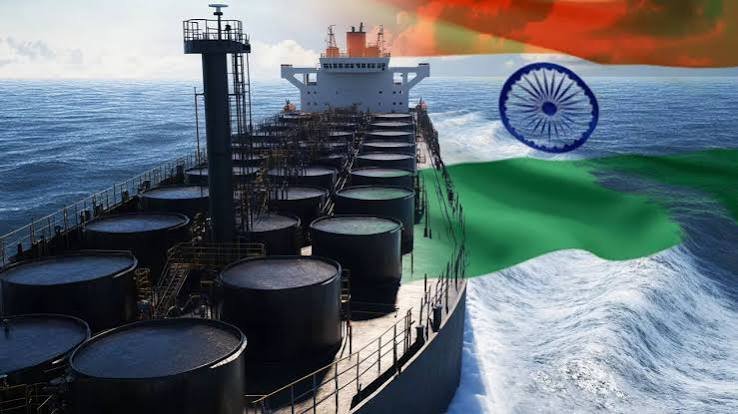
ONGC to build a 1.75-million-tonne strategic petroleum reserve in Mangalore as New Delhi strengthens emergency crude storage following disruptions in the Strait of Hormuz.
NEW DELHI: India has announced plans to significantly expand its strategic petroleum reserves, with state-owned Oil and Natural Gas Corporation (ONGC) set to construct a 1.75 million metric tonne (MT) crude oil storage facility in Mangalore, as the country moves to strengthen its energy security amid continued instability in the Middle East.
The announcement was made in a stock exchange filing by ONGC late Thursday, highlighting New Delhi’s efforts to reduce vulnerabilities following recent disruptions to global oil supplies caused by tensions in the Strait of Hormuz.
Why is India expanding its strategic oil reserves?
India, the world’s third-largest importer and consumer of crude oil, has faced growing energy security concerns after military escalation involving Iran, Israel and the United States disrupted shipping through the Strait of Hormuz, a critical maritime route through which nearly 20 percent of global oil supplies normally pass.
The latest project is intended to enhance India’s emergency crude storage capacity and improve its ability to withstand future supply disruptions.
What will the new project involve?
ONGC said it will construct the 1.75 MT strategic petroleum reserve at Mangalore in the southern state of Karnataka and will seek permission from the federal government to allow commercial utilisation of the facility in the national interest.
The company said the project would complement India’s existing strategic petroleum reserve infrastructure.
What strategic reserves does India already have?
India currently operates strategic crude oil storage facilities at Mangalore, Padur and Visakhapatnam (Vizag) with a combined capacity of approximately 5.33 million metric tonnes, managed by the state-owned Indian Strategic Petroleum Reserves Limited (ISPRL).
Part of the existing Mangalore storage facility has already been leased to Mangalore Refinery and Petrochemicals Limited (MRPL), while the remaining capacity is leased to the Abu Dhabi National Oil Company (ADNOC) under a bilateral energy cooperation arrangement.
How is India strengthening international energy cooperation?
New Delhi is expanding energy partnerships with key suppliers, including the United Arab Emirates and Japan, to reinforce its emergency oil stockpiles.
During Prime Minister Narendra Modi’s visit to the UAE earlier this year, ADNOC announced plans to increase its crude oil storage in India to 30 million barrels while also exploring additional storage facilities at Fujairah as part of India’s strategic reserve network.
What are India’s future energy security plans?
In addition to the new Mangalore facility, India plans to construct another 4 MT strategic petroleum reserve at Chandikhol in Odisha and a 2.5 MT storage facility at Padur, significantly expanding the country’s emergency crude storage capacity.
The projects form part of New Delhi’s broader strategy to improve energy resilience amid geopolitical uncertainty and protect the economy from future disruptions in global oil markets.