

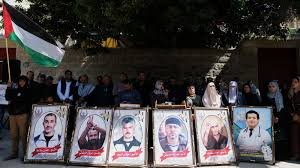
Widespread protests have emerged internationally following Israel’s passage of a controversial law that makes the death penalty the default punishment for Palestinians convicted of deadly attacks.
Demonstrators in multiple countries have condemned the legislation, arguing that it raises serious human rights concerns and could further escalate tensions in an already volatile region. The move has triggered strong reactions from activists and civil society groups who view the law as discriminatory and disproportionate.
The United Nations has also criticized the decision, describing the legislation as “deeply discriminatory,” and warning that it could undermine principles of fairness and equality under international law.
Critics argue that the law may deepen divisions and complicate efforts toward de-escalation, while supporters within Israel maintain that it is intended as a deterrent against attacks. The policy has quickly become a focal point of global debate, with calls for reconsideration and further international scrutiny.
The development adds to ongoing discussions surrounding Israel’s legal and security policies amid heightened regional tensions, drawing renewed attention from governments, rights organizations, and international observers.