

Will the US Federal Reserve raise rates again as inflation remains elevated?
WASHINGTON, United States: The US Federal Reserve raised its benchmark interest rate by 25 basis points on Wednesday, taking the target range to 3.75%-4.00%, as policymakers cited persistent inflationary pressures and stronger economic activity.
What is driving the Fed’s concerns over inflation?
The central bank’s decision comes amid continuing price pressures linked to tariffs, higher energy costs and strong investment associated with the artificial intelligence sector. New projections showed that 16 of the Fed’s 18 policymakers expect at least one additional quarter-percentage-point rate increase by the end of 2026.
The Federal Open Market Committee said inflation remained elevated and that the latest policy action was intended to support a return to its 2% inflation target.
New projections put the federal funds rate at 4.00%-4.25% by the end of 2026 and at the same range at the end of 2027. The Fed also raised its 2026 inflation forecast to 3.7% from 3.6% projected in June.
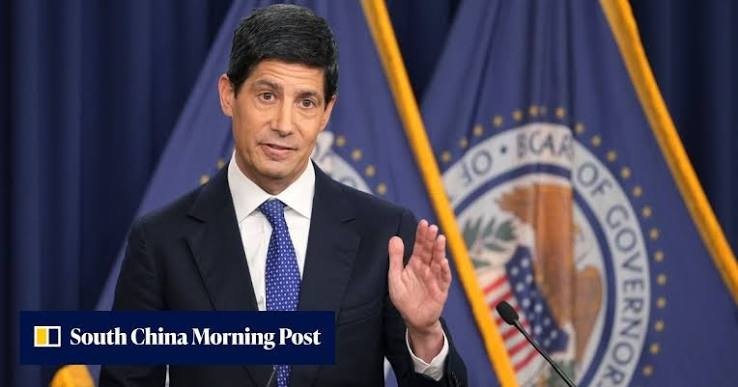
The rate increase was the first in three years and the first policy shift under new Federal Reserve Chair Kevin Warsh, who took office in late May.
Warsh said stronger domestic spending, productivity growth, capital investment and labour-market conditions had contributed to the decision to tighten monetary policy.
President Donald Trump again called for substantially lower interest rates, arguing on Truth Social that US rates should be reduced to 1% or less.
Financial markets responded with a stronger dollar and higher yields on two-year US Treasury notes, which are closely influenced by expectations for Federal Reserve policy.
The Fed now expects inflation to return to its 2% target in 2029, one year later than previously projected. Economic growth for 2026 was revised slightly higher to 2.3%, while the unemployment rate is expected to end the year at 4.1%.