

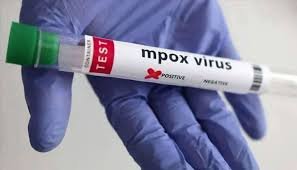
Health experts at the Aga Khan University Hospital have urged authorities to treat the mpox outbreak reported in Khairpur as an urgent public health concern, warning that emerging evidence suggests possible local transmission of the virus.
The advisory follows confirmation by the Sindh health department of seven mpox cases among newborns in Khairpur, four of whom have died. The development has raised concerns about infection control practices in healthcare settings and the spread of the virus beyond imported cases.
Experts noted that recent cases indicate a shift in transmission patterns in Pakistan. While most of the 53 confirmed mpox cases recorded in 2025 were linked to travel, at least one of the cases reported in Karachi this year suggests possible local transmission, indicating that the virus may now be spreading within communities.
Medical professionals said the Khairpur outbreak points to potential lapses in infection prevention and control, particularly in neonatal and maternity care environments. They stressed that healthcare facilities outside major urban centres may face greater challenges in implementing strict protocols.
Mpox is primarily transmitted through close physical contact, contaminated materials such as bedding or clothing, and prolonged exposure to respiratory droplets. It is not classified as an airborne virus. Symptoms typically include fever, swollen lymph nodes, and a characteristic rash or lesions.
Experts emphasized that vulnerable groups, including newborns, pregnant women, and immunocompromised individuals, face a higher risk of severe illness. They warned that delays in isolation, lack of awareness, and inadequate infection control measures could accelerate the spread of the disease.
A patient from Khairpur is currently under treatment at AKUH, with doctors describing the condition as stable. Treatment is being administered according to established medical protocols.
Health specialists have called on individuals showing symptoms consistent with mpox to immediately isolate and seek medical attention. They also advised those exposed to confirmed cases to monitor their health for up to 21 days.
Authorities have been urged to strengthen surveillance, improve infection prevention measures in healthcare facilities, and ensure early detection and response mechanisms to prevent further spread of the virus.