

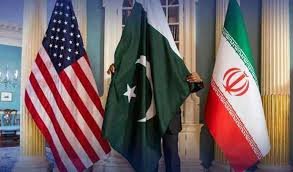
A Pakistan-formulated diplomatic proposal aimed at ending hostilities between Iran and the United States has been shared with both sides, according to a source familiar with the matter. The plan, which could be implemented in phases, seeks to establish an immediate ceasefire followed by a broader negotiated settlement, potentially facilitating the reopening of the Strait of Hormuz.
The framework, reportedly developed through intensive backchannel diplomacy, outlines a two-tier approach. The first phase envisions an immediate cessation of hostilities, while the second phase would involve negotiations over a comprehensive agreement within a defined timeframe. The proposal is said to include a memorandum of understanding to be finalized electronically, with Pakistan acting as the central communication channel.
Sources indicate that senior Pakistani leadership, including Asim Munir, has been in continuous contact with senior officials from the United States and Iran, including JD Vance, envoy Steve Witkoff, and Iranian Foreign Minister Abbas Araghchi. The diplomatic initiative is reportedly supported by parallel mediation efforts involving other regional actors.
Under the proposed arrangement, a temporary ceasefire would allow for the resumption of shipping through the Strait of Hormuz, a critical global energy route, while negotiations continue over a more durable settlement. The broader agreement could include a regional security framework for the strait, along with provisions for sanctions relief and financial asset releases in exchange for Iranian commitments on nuclear activities.
Iranian officials, however, have indicated that they are reviewing the proposal but have not agreed to any deadlines or temporary arrangements tied to a limited ceasefire. Tehran has reportedly maintained that it seeks a permanent cessation of hostilities backed by assurances against future attacks, and remains cautious about accepting interim deals.
Despite sustained diplomatic engagement and outreach, including communications facilitated through Pakistan and other mediators, no formal commitment has yet been reached from Iran. The situation remains fluid, with proposals under consideration amid continued tensions.
The diplomatic push comes at a time of heightened instability in the region, with growing concerns over disruptions to maritime traffic through the Strait of Hormuz. Global energy markets have reacted with increased volatility as stakeholders monitor developments that could impact oil supply routes.