

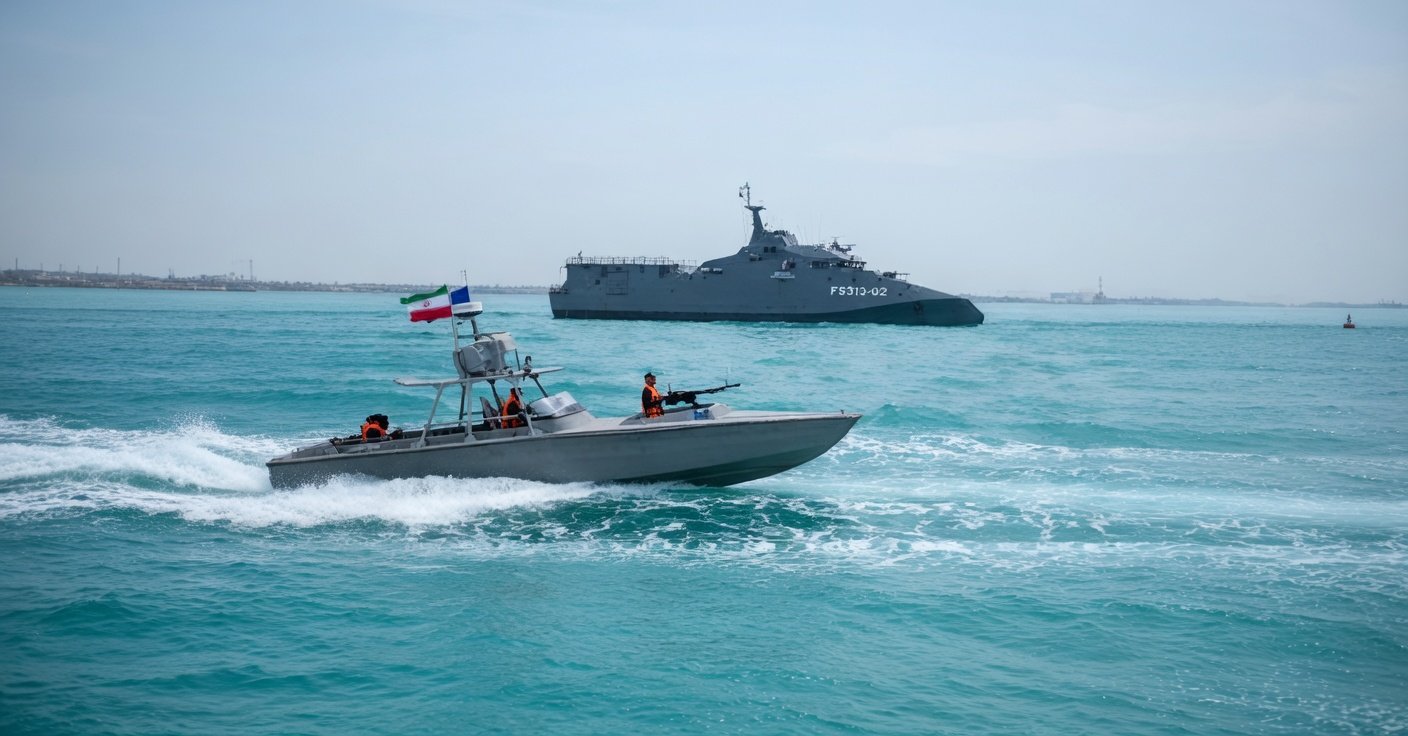
United States intelligence agencies have assessed that Iran is unlikely to ease its control over the strategic Strait of Hormuz in the near future, as tensions in the Middle East continue to escalate, according to sources familiar with the matter.
The Strait of Hormuz, a narrow waterway through which roughly one-fifth of the world’s oil supply passes, has become a focal point in the ongoing standoff between Washington and Tehran. Officials say Iran views its control over the passage as a critical source of leverage in the conflict.
According to intelligence findings, Tehran is deliberately maintaining pressure on global shipping lanes by restricting vessel movement and increasing its maritime presence in the area. Analysts believe the strategy is aimed at strengthening Iran’s negotiating position and deterring further international pressure.
Recent disruptions in the strait have already led to a decline in commercial shipping traffic, raising concerns in global energy markets. Oil prices have shown volatility as fears grow over prolonged supply interruptions.
US officials acknowledge that while military options to secure the waterway remain on the table, any such move would carry significant risks and could trigger a broader regional conflict. Experts warn that direct confrontation in the strait could have far-reaching consequences for international trade and security.
Intelligence sources further indicate that Iran may continue to hold its position even beyond the current crisis, seeking long-term economic and security concessions.
The situation remains under close monitoring as global powers weigh their responses to one of the most critical maritime chokepoints in the world.